Monako Font: Integrating High-Quality Embroidery into Your Creative Workflow
In the realm of textile design and personalized merchandise, the difference between a generic product and a premium item often lies in the details. For creators, small business owners, and hobbyists who work with embroidery machines, typography is not just about legibility; it is about texture, density, and structural integrity on fabric. This is where Monako Font enters the workflow. It is not merely a typeface; it is a specialized tool designed to bridge the gap between digital design concepts and tangible, high-quality stitched outcomes.
Understanding how to effectively integrate Monako Font into your production pipeline requires more than just downloading a file. It demands an appreciation for how embroidery fonts interact with various fabrics, machine capabilities, and design software. This article explores the practical application of this resource, focusing on preparation, execution, and quality control to help you maximize its potential in your projects.
The Role of Specialized Typography in Embroidery Design
Standard computer fonts are designed for screens or print, where ink sits flat on paper or pixels glow on a display. Embroidery, however, is a three-dimensional medium. Thread has thickness, tension, and direction. A font that looks elegant on a monitor may result in a tangled mess of thread breaks and puckering when stitched out. Monako Font addresses these physical constraints by offering a digitized structure optimized for needle penetration and thread lay.
When you incorporate Monako Font into your design process, you are selecting a asset that has been pre-engineered for stability. This reduces the trial-and-error phase typically associated with testing new typefaces. For professionals managing tight deadlines, this reliability is crucial. It allows you to move from concept to production with greater confidence, knowing that the letterforms will maintain their shape across different applications, whether you are stitching names on towels, dates on commemorative items, or quotes on apparel.
Pre-Production: Preparation and Compatibility Checks
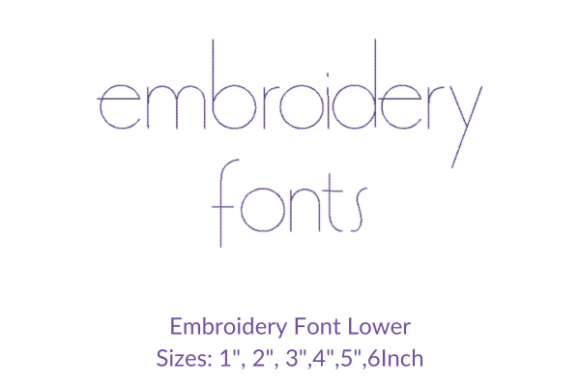
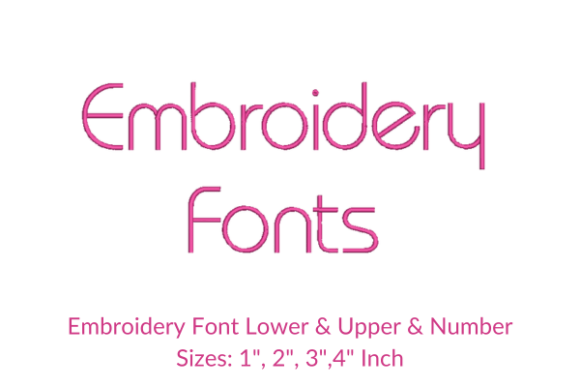
Before loading any design into your embroidery machine, proper preparation is essential. The first step in utilizing Monako Font effectively is ensuring compatibility with your specific hardware and software ecosystem. One of the significant advantages of this font package is its inclusion of multiple embroidery file formats. This versatility means it can be used with a wide range of embroidery machines, from entry-level home units to industrial multi-needle systems.
- File Format Selection: Identify the native format of your machine (such as PES, DST, JEF, or EXP). Using the correct format ensures that color stops, trim commands, and stitch densities are interpreted correctly by your device.
- Software Integration: Import the font files into your embroidery editing software. Verify that the characters render correctly and that the sizing tools allow for precise adjustments without distorting the stitch angles.
- Fabric Assessment: Consider the material you will be stitching on. Monako Font is designed for versatility, but heavy denim requires different stabilization than lightweight silk. Plan your stabilizer choice based on the fabric’s stretch and weight.
This preparatory phase prevents common issues such as misaligned text or excessive puckering. By treating the font selection as a technical decision rather than just an aesthetic one, you set the stage for a smoother production run.
Execution: Applying Monako Font in Real-World Projects
Once the technical setup is complete, the focus shifts to creative implementation. Monako Font shines in scenarios where personalization adds value. Here are three common workflows where this font enhances the final product:
Personalized Apparel and Gifts
For entrepreneurs selling custom clothing, speed and consistency are vital. Monako Font allows for rapid customization of names and initials. Because the font is balanced and clear, it remains readable even at smaller sizes, making it ideal for cuff links, collar tags, or chest logos. When processing bulk orders, use the consistent stitch density of Monako to ensure that every item in a batch looks uniform, maintaining brand professionalism.
Commemorative Items and Dates
Weddings, anniversaries, and corporate milestones often require the inclusion of specific dates. These numerical elements must be distinct and durable. Monako Font’s structured design ensures that numbers do not blend together, a common problem with script fonts. Use this font to create clean, lasting impressions on table linens, keepsake pillows, or framed textile art. The clarity of the font ensures that the significance of the date is preserved visually over time.
Inspirational Quotes and Branding
Longer text strings, such as quotes or brand slogans, require a font that maintains rhythm and spacing. Monako Font provides even character width and consistent kerning, which helps in creating balanced compositions on larger fabric areas like tote bags or wall hangings. When laying out quotes, use your software’s preview function to check line breaks. The goal is to create a visual flow that guides the eye naturally across the stitched text.
Quality Control and Troubleshooting
Even with a high-quality font like Monako, external factors can affect the outcome. Implementing a rigorous quality control process ensures that every piece meets your standards. Pay attention to thread tension and needle condition. A dull needle can cause skipped stitches, which are particularly noticeable in the sharp lines of a structured font. Always perform a test stitch on a scrap piece of the same fabric and stabilizer combination before committing to the final product.
If you encounter issues such as thread bunching or fabric distortion, revisit your stabilization method. Sometimes, the font is not the problem; the support system is. Adding a cut-away stabilizer for stretchy fabrics or using a water-soluble topping for textured materials like towels can significantly improve the crispness of Monako Font’s letters. These adjustments are part of the iterative learning process that every embroiderer must master.
Long-Term Value and Workflow Efficiency
Investing in reliable resources like Monako Font contributes to long-term operational efficiency. When you have a go-to font that performs well across various projects, you reduce the cognitive load associated with design decisions. You spend less time troubleshooting bad digitizing and more time focusing on customer service, marketing, or creative expansion. This consistency builds trust with your clients, who come to expect a certain level of quality from your personalized items.
Furthermore, organizing your digital assets effectively ensures that you can retrieve Monako Font quickly when needed. Create a dedicated folder for your premium embroidery fonts, backed up regularly. Label files clearly with size and format information. This organizational habit saves valuable time during busy periods and prevents the frustration of searching for missing files mid-project.
Conclusion: Elevating Your Craft with Precision
Monako Font represents more than just a stylistic choice; it is a functional component of a professional embroidery workflow. By understanding its technical strengths and integrating it thoughtfully into your preparation and execution phases, you can enhance the quality of your personalized designs. Whether you are writing names, dates, or quotes, this font provides the reliability needed to turn fabric into meaningful, lasting artifacts. Embrace the precision it offers, and let it streamline your creative process, allowing you to deliver exceptional results with confidence and efficiency.