Integrating the Flower Alphabet Letter D into Your Creative Workflow
In the world of custom textile design, efficiency and aesthetic consistency are paramount. Whether you are running a small boutique embroidery business, creating personalized gifts for family, or developing a branded merchandise line, the assets you choose define the quality of your output. The Flower Alphabet Letter D represents more than just a decorative character; it is a versatile design element that can streamline your production process while adding a distinct, whimsical touch to your fabrics. By understanding how to effectively integrate this specific design asset into your broader creative workflow, you can enhance productivity, ensure high-quality results, and expand your product offerings with minimal friction.
Understanding the Asset and Its Role in Design Planning
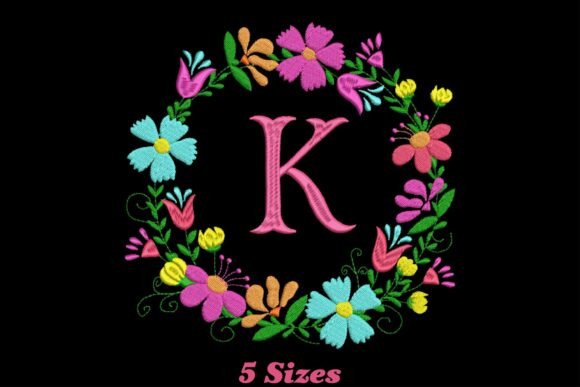
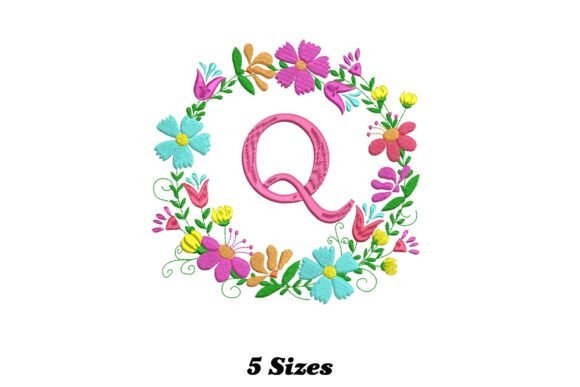
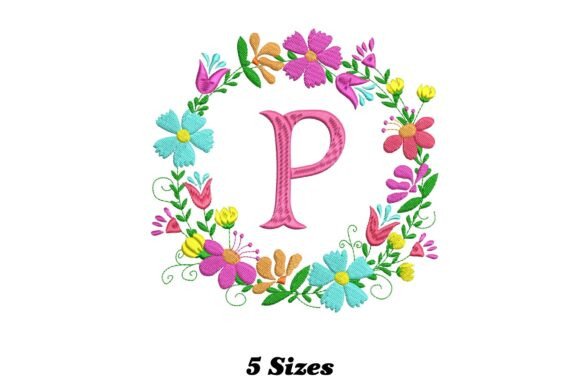
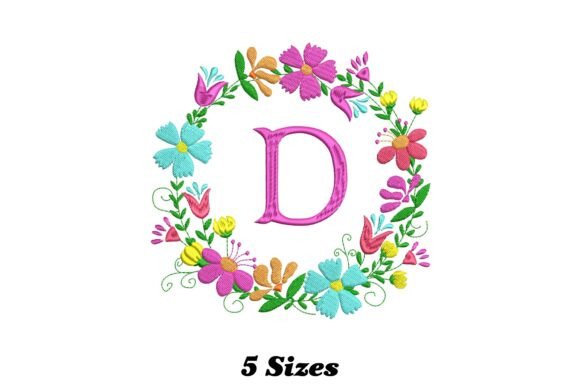
Before loading any file into your machine, it is crucial to understand where the Flower Alphabet Letter D fits within your project lifecycle. This design is not merely a standalone image but a component of a larger typographic system. When planning a new collection or a custom order, identifying the need for monogramming or personalized text early in the process allows for better resource allocation. The floral motif surrounding the letter "D" suggests a soft, organic aesthetic, making it ideal for projects targeting demographics that appreciate nature-inspired or vintage-style decor.
From a planning perspective, incorporating this design requires assessing its compatibility with your intended materials. Unlike simple block letters, intricate floral details demand precise stitch density and appropriate fabric stability. Recognizing these requirements during the initial design phase prevents costly errors later in the production run. It shifts the focus from reactive problem-solving to proactive quality control, ensuring that every item leaving your workspace meets professional standards.
Preparation and File Compatibility
A smooth implementation begins with technical preparation. The Flower Alphabet Letter D comes with multiple embroidery file formats, a feature that significantly reduces workflow bottlenecks. Different embroidery machines require specific file types to interpret stitch data correctly. Having access to a variety of formats ensures that you are not limited by hardware constraints, allowing for seamless integration across different devices in your studio or production floor.
- Verify Machine Compatibility: Before starting a large batch, confirm that your specific embroidery machine model supports the provided file formats. This step eliminates trial-and-error testing during critical production windows.
- Organize Digital Assets: Create a structured folder system for your design library. Storing the Flower Alphabet Letter D alongside other alphabet sets and complementary floral motifs enables quick retrieval, reducing time spent searching for files during active projects.
- Check Hoop Size Requirements: Review the dimensions of the design to ensure it fits within your available hoop sizes. Proper sizing prevents the need for last-minute adjustments or re-digitizing, which can disrupt tight schedules.
This preparatory phase is essential for maintaining efficiency. By treating digital assets as integral components of your operational infrastructure, you create a foundation for consistent output. It also facilitates collaboration if you work with a team, as standardized file organization ensures that any member can access and utilize the design without confusion.
Material Selection and Stabilization Strategies
The success of an embroidery project often hinges on the interaction between the design and the fabric. The intricate petals and leaves of the Flower Alphabet Letter D require a stable base to prevent puckering or distortion. When sprucing up fabrics such as t-shirts, towels, or home decor items, selecting the right stabilizer is a critical decision point in your workflow.
For stretchy materials like jersey knits used in t-shirts, a cut-away stabilizer is generally recommended to provide long-term support for the dense floral stitching. Conversely, for woven fabrics found in towels or home decor pillows, a tear-away stabilizer may suffice, offering easier removal after stitching. Testing these combinations on scrap fabric before committing to the final product is a best practice that safeguards material resources and maintains client trust.
Furthermore, consider the thread choice. High-sheen rayon or polyester threads can highlight the dimensional quality of the floral elements, while matte cotton threads might offer a more rustic, subdued look. Aligning thread selection with the end-use of the product ensures durability and visual appeal, contributing to the overall perceived value of the item.
Integration into Product Lines and Custom Orders
Once technical preparations are complete, the Flower Alphabet Letter D can be deployed across various applications. Its versatility allows it to serve multiple functions within a business model. For entrepreneurs and small business owners, this design can be the cornerstone of a personalized gift line. Monogrammed towels featuring the letter "D" make for popular wedding or housewarming presents, appealing to customers seeking unique, handcrafted items.
In the context of home decor, the design can be applied to cushion covers, table runners, or wall hangings. The whimsical nature of the floral alphabet adds personality to neutral spaces, making it a strong selling point for interior design enthusiasts. By marketing these items as part of a cohesive collection, you can encourage larger purchases and increase average order value.
For educators and hobbyists, using this design in workshop settings can teach valuable lessons about digitization, fabric handling, and machine maintenance. It serves as a practical example of how complex designs can be managed effectively, providing learners with tangible skills they can apply to future projects.
Quality Control and Consistency
Maintaining consistency is vital for brand reputation, especially when producing multiple units. Implementing a standardized quality control checklist ensures that every piece featuring the Flower Alphabet Letter D meets your established criteria. Key points to inspect include stitch density, thread tension, and alignment.
- Inspect Stitch Integrity: Check for any loose threads or skipped stitches, particularly in the detailed floral areas. These imperfections can compromise the durability of the design.
- Verify Alignment: Ensure the letter is centered and straight relative to the garment or item seams. Misalignment can detract from the professional appearance of the final product.
- Assess Fabric Handling: Look for signs of puckering or pulling around the embroidery. If present, revisit your stabilizer choice or tension settings to correct the issue in future runs.
Documenting these checks creates a feedback loop that informs continuous improvement. Over time, you will develop an intuitive understanding of how the design behaves on different materials, allowing for faster setup times and fewer errors.
Long-Term Value and Workflow Optimization
Investing in high-quality design assets like the Flower Alphabet Letter D yields long-term benefits beyond immediate project completion. By integrating reliable, well-formatted designs into your library, you reduce the time spent on digitizing or troubleshooting poor-quality files. This efficiency gain allows you to take on more clients, experiment with new products, or dedicate more time to marketing and business development.
Moreover, having a repertoire of versatile designs enables rapid response to market trends. If there is a surge in demand for personalized floral items, you can quickly pivot your production focus without needing to source or create new assets from scratch. This agility is a competitive advantage in the fast-paced world of custom manufacturing.
Ultimately, the Flower Alphabet Letter D is a tool that, when used strategically, enhances both the creative and operational aspects of your work. It bridges the gap between artistic expression and practical execution, allowing you to deliver high-quality, personalized products with confidence. By focusing on preparation, compatibility, and consistent quality control, you transform a simple embroidery file into a key component of a successful, sustainable creative workflow.