Mastering Typo Font Numbers: A Guide to High-Quality Machine Embroidery Personalization
In the vibrant world of textile art and custom apparel, few elements add as much professional polish as perfectly stitched lettering. Among the myriad of design choices available to modern crafters, Typo Font Numbers stand out as a versatile and essential tool for personalization. Whether you are running a small business selling monogrammed towels or simply looking to add a heartfelt touch to a family heirloom, understanding how to effectively use these fonts can transform your projects from amateur attempts to masterpieces.
This guide explores the significance of high-quality embroidery fonts, specifically focusing on numeric designs, and explains how they integrate into various fabrics and machines. By the end of this article, you will have a clearer understanding of why font quality matters, how to choose the right files, and how to apply them creatively in your daily stitching activities.
What Are Typo Font Numbers?
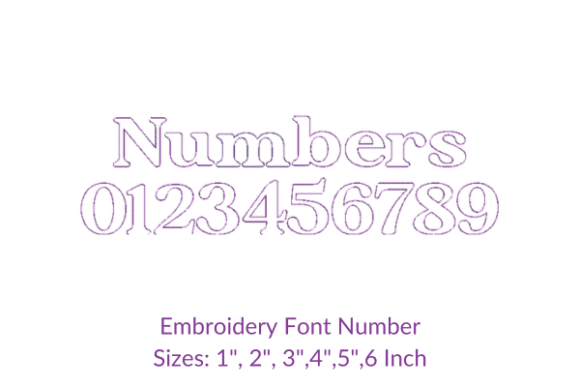
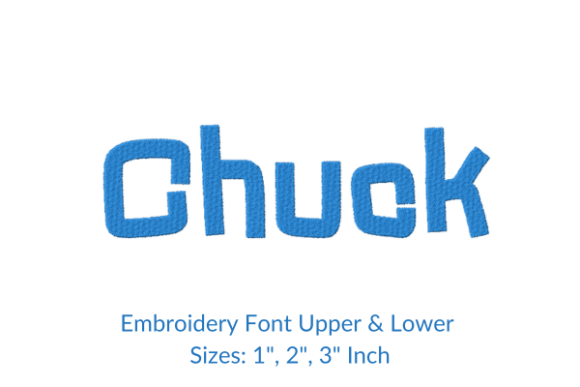
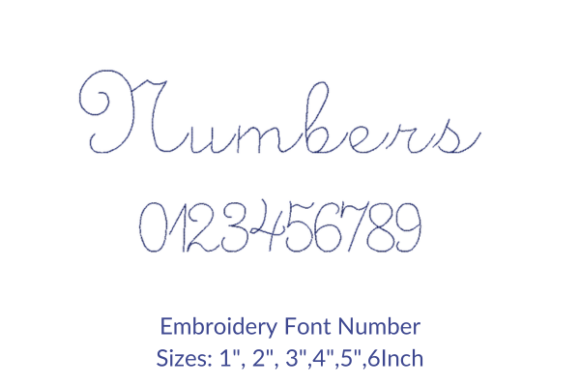
At their core, Typo Font Numbers are digital embroidery designs that replicate the aesthetic of typographic numerals. Unlike standard block numbers, which can appear rigid and utilitarian, typo-style fonts often feature unique serifs, varying stroke widths, and artistic flourishes that mimic printed text. When digitized for embroidery, these characters are converted into stitch paths that an embroidery machine can read and execute.
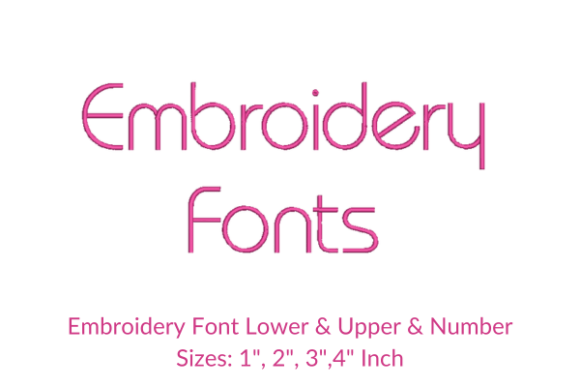
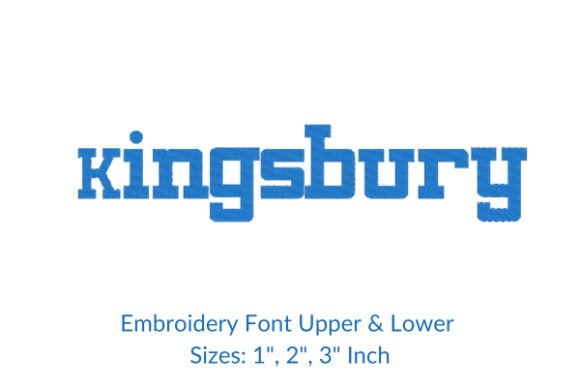
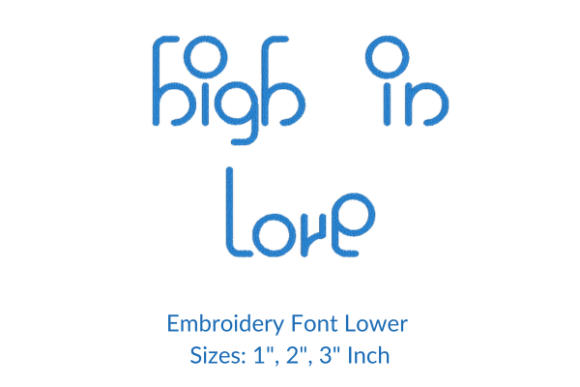
The term "typo" here refers to typography—the art and technique of arranging type to make written language legible, readable, and appealing when displayed. In the context of embroidery, this means that the numbers are not just functional identifiers; they are design elements. They carry weight, style, and personality. Using a high-quality embroidery font ensures that these nuances are preserved in thread, allowing for crisp lines and balanced spacing that look professional rather than homemade.
The Importance of Digitization Quality
Not all embroidery files are created equal. A common misunderstanding among beginners is that any digital font can be automatically converted into an embroidery file with good results. However, automatic conversion often leads to poor stitch density, thread breaks, and fabric puckering. High-quality embroidery fonts, such as the ones featuring Typo Font Numbers, are manually digitized or carefully optimized by experts.
This optimization process involves:
- Stitch Direction: Ensuring stitches follow the natural grain of the letter to prevent distortion.
- Density Control: Balancing the number of stitches so the design is solid but not too heavy for the fabric.
- Underlay Stitches: Adding foundational stitches that stabilize the fabric before the top stitching begins.
When you invest in a premium font package, you are paying for this technical precision, which saves you time and frustration during the stitching process.
Practical Applications in Modern Life and Business
The utility of Typo Font Numbers extends far beyond simple decoration. In today’s market, personalization is a key driver of consumer interest. People crave items that feel unique and tailored to their identity. Here is how these fonts fit into various aspects of modern life and work:
- Small Business Branding: For entrepreneurs selling custom goods, consistent branding is crucial. Using a specific typo font for prices, dates, or order numbers on tags and packaging creates a cohesive brand image.
- Sports and Team Apparel: Jerseys and team bags often require clear, bold numbering. A well-designed typo font ensures that player numbers are legible from a distance while maintaining a stylish edge.
- Milestone Commemorations: Dates are significant in our lives. Whether it is a wedding date on a pillowcase, a birth date on a baby blanket, or an anniversary on a table runner, elegant numbers turn a simple item into a cherished memory keeper.
By incorporating these fonts into your workflow, you elevate the perceived value of your creations. A t-shirt with a generic printed number might sell for $15, but the same shirt with high-quality embroidered typo numbers can command a significantly higher price due to the craftsmanship involved.
Compatibility and File Formats
One of the most significant advantages of purchasing a comprehensive embroidery font package is versatility. Embroidery machines are not universal; different brands require different file formats to read design data. A high-quality design pack typically includes multiple file formats to ensure compatibility with a wide range of machines.
Common formats you should look for include:
- PES: Widely used by Brother and Baby Lock machines.
- JEF: The standard format for Janome machines.
- DST: A universal industrial format compatible with most commercial machines.
- XXX: Used primarily by Singer and Compucon systems.
- VIP and VP3: Formats for Husqvarna Viking and Pfaff machines.
Having access to these various formats means you are not locked into a single ecosystem. If you upgrade your machine or collaborate with another crafter who uses different equipment, your designs remain usable. This flexibility is crucial for long-term creativity and business scalability.
Choosing the Right Fabric
While the prompt suggests you can use these fonts on any fabric you wish, successful embroidery requires matching the design to the material. Typo Font Numbers, with their potentially intricate details, perform best on stable fabrics.
Cotton twill, denim, and canvas provide a sturdy foundation that holds stitches well. For delicate fabrics like silk or thin polyester, using a stabilizer is non-negotiable. A cut-away stabilizer provides permanent support, while a tear-away stabilizer is suitable for stable woven fabrics where you want to remove the bulk after stitching. Always test your design on a scrap piece of fabric first to adjust tension and ensure the numbers do not pucker the material.
Creative Ideas for Using Embroidery Fonts
Now that you understand the technical aspects, let’s explore how to get creative. The beauty of Typo Font Numbers lies in their ability to convey information with style. Here are a few project ideas to inspire your next session:
Personalized Kitchen Linens: Embroider the year of your marriage on dish towels or aprons. It serves as a subtle yet elegant reminder of special occasions.
Custom Backpacks and Bags: Add initials and a lucky number to school bags or gym sacks. This not only prevents loss but also adds a layer of individuality to mass-produced items.
Home Decor Accents: Create a wall hanging featuring a meaningful quote that includes dates or numerical references. The contrast between the text and the numbers can create visual interest and hierarchy in the design.
When combining names, dates, or quotes, pay attention to spacing. Typo fonts often have variable widths. Ensure that the numbers align visually with the letters, even if their mathematical width differs. Most embroidery software allows you to adjust kerning (the space between characters) to achieve a balanced look.
Conclusion
Incorporating Typo Font Numbers into your embroidery repertoire is more than just adding digits to fabric; it is about enhancing the narrative of your designs. These high-quality fonts bridge the gap between functional identification and artistic expression. By understanding the importance of digitization, leveraging multiple file formats for compatibility, and selecting appropriate fabrics, you can produce work that stands out in both quality and style.
Whether you are a beginner taking your first steps into machine embroidery or an experienced designer looking to refine your offerings, investing in versatile, high-quality embroidery fonts is a decision that pays dividends. Start experimenting with names, dates, and quotes today, and watch how these small details transform your creative projects into personalized treasures. For more resources on embroidery techniques and design tips, consider exploring online communities and tutorials that specialize in machine embroidery best practices.