Mastering Personalization with Chuck Embroidery Font Design for Professional Results
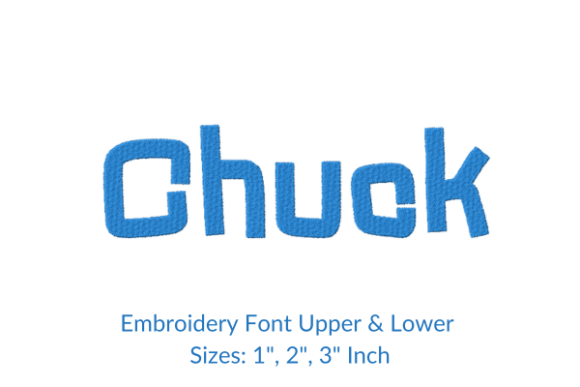
In the evolving landscape of textile customization, the distinction between amateur crafting and professional-grade personalization often lies in the details. Among these details, typography plays a pivotal role. The choice of font dictates the tone, readability, and aesthetic appeal of any embroidered piece. Chuck Embroidery Font Design has emerged as a significant resource for creators seeking to elevate their work. This comprehensive typeface offers a blend of classic elegance and modern versatility, allowing users to inscribe names, dates, and quotes onto fabric with precision and style. Understanding how to leverage this tool effectively can transform simple projects into cherished keepsakes or high-value commercial products.
The Versatility of Machine Embroidery Typography
Embroidery is not merely about stitching images; it is about communicating identity through thread. Whether you are creating monogrammed towels for a boutique hotel, personalized baby blankets, or custom apparel for a corporate event, the font selection is critical. Chuck Embroidery Font Design provides a robust solution that bridges the gap between decorative flair and legible text. Unlike standard system fonts that may lose definition when converted to stitch data, this specialized design set is engineered specifically for the mechanical constraints of embroidery machines.
The utility of this font extends across various demographics. For hobbyists, it offers an accessible entry point into advanced personalization without requiring extensive graphic design skills. For professional embroiderers, it serves as a reliable asset in a diverse portfolio, ensuring consistent quality across different fabric types. The ability to seamlessly integrate text into complex designs allows for greater creative freedom, enabling makers to produce unique items that stand out in a saturated market.
Technical Specifications and File Compatibility
One of the primary advantages of using Chuck Embroidery Font Design is its broad compatibility. Modern embroidery workflows involve a variety of machines, each with proprietary file format requirements. This design set addresses that challenge by including multiple embroidery file formats. Whether you operate a home-based single-needle machine or an industrial multi-head setup, the files are prepared to integrate smoothly into your existing software ecosystem.
It is important to note that embroidery digits differ significantly from vector graphics. The stitch count, density, and underlay structures are pre-optimized to prevent puckering and ensure durability. The download package provides a summary of sizes and stitches for the letters "A" and "a" in each available size. This data serves as a crucial reference point for estimating thread usage and production time. However, for those requiring precise dimensional planning for complex layouts, the full dimension details of all 186 letters in the set are available via the More Sewing Info PDF button on the product page. Accessing this detailed documentation ensures that designers can plan their hoop placement and scaling with accuracy, minimizing material waste and maximizing efficiency.
Practical Applications Across Industries
The application of Chuck Embroidery Font Design is limited only by the imagination of the user. Its clean lines and balanced proportions make it suitable for a wide array of substrates and end-use scenarios. Below are several contexts where this font excels, demonstrating its adaptability and professional appeal.
- Apparel Branding: Small business owners can use this font to add logos or taglines to hats, jackets, and shirts. The clarity of the stitches ensures that brand names remain readable even at smaller sizes, enhancing brand recognition.
- Home Décor and Linens: Personalized pillowcases, table runners, and bath towels benefit from the elegant structure of this typeface. It adds a touch of sophistication to household items, making them ideal for gifts or luxury retail lines.
- Commemorative Items: For events such as weddings, anniversaries, or graduations, embroidering dates and names onto keepsakes creates lasting memories. The font’s timeless style ensures that these items do not appear dated over time.
- Educational Tools: Teachers and parents can use the font to create personalized labels for school supplies, backpacks, and clothing. This not only helps in identifying belongings but also adds a personal touch that children appreciate.
Enhancing Readability and Aesthetic Balance
When working with embroidery, legibility is often compromised by intricate stitch patterns or poor scaling. Chuck Embroidery Font Design mitigates these issues through careful digitizing. Each character is constructed to maintain structural integrity, ensuring that thin strokes do not break and thick areas do not become overly dense. This balance is essential for maintaining the softness of the fabric while delivering sharp, clear text.
Designers should consider the interplay between the font and the background fabric. Lighter fabrics may require adjusted underlay settings to prevent show-through, while heavier materials like denim or canvas can support denser stitching. By understanding the characteristics of the font, users can make informed decisions about thread weight and color contrast. For instance, using a metallic thread with this font can highlight its contours, while matte cotton threads offer a subtle, classic look. The versatility of the design allows for experimentation with different textures and finishes, enabling creators to tailor the final appearance to their specific vision.
Workflow Integration for Efficient Production
Incorporating Chuck Embroidery Font Design into your workflow can streamline the production process. Because the files are pre-digitized, there is no need for manual conversion, which can often introduce errors or require significant tweaking. This saves time and reduces the learning curve for new users. To maximize efficiency, consider organizing your digital library by project type or client. Keeping the font files easily accessible allows for quick retrieval and implementation during busy production periods.
Furthermore, testing is a critical step in any embroidery project. Before committing to a final product, it is advisable to stitch out a sample on a similar fabric scrap. This practice helps verify tension settings, thread compatibility, and overall appearance. Since the download includes detailed stitch information for reference letters, users can predict how other characters will behave based on these benchmarks. This predictive capability reduces trial and error, leading to more consistent results and higher customer satisfaction.
Considerations for Long-Term Durability
Beyond aesthetics, the longevity of embroidered text is a key concern for both consumers and professionals. Chuck Embroidery Font Design is created with durability in mind. The stitch paths are designed to lock threads securely, reducing the risk of unraveling after repeated washing and wear. However, the final durability also depends on proper stabilization and thread quality. Using high-quality polyester or rayon threads in conjunction with appropriate stabilizers ensures that the embroidered text remains vibrant and intact over time.
For items that will undergo frequent laundering, such as work uniforms or children’s clothing, it is recommended to use a cut-away stabilizer. This provides ongoing support to the stitches, preventing distortion. Conversely, for decorative pieces that will not be washed often, a tear-away stabilizer may suffice. Understanding these nuances allows users to tailor their approach based on the intended use of the finished product, ensuring that the beauty of the Chuck Embroidery Font Design is preserved for years to come.
In conclusion, the integration of high-quality typography into embroidery projects elevates the perceived value and emotional impact of the final piece. Chuck Embroidery Font Design offers a reliable, versatile, and professionally digitized solution for anyone looking to personalize fabric with precision. By leveraging its compatibility, understanding its technical specifications, and applying best practices in production, creators can achieve exceptional results that resonate with their audience. Whether for commercial enterprise or personal enjoyment, this font serves as a powerful tool in the arsenal of modern embroidery enthusiasts.