Varsity Letter T Split Applique: A Practical Guide for Embroidery Workflows
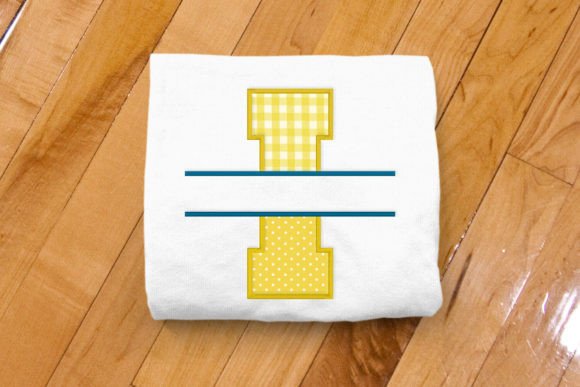
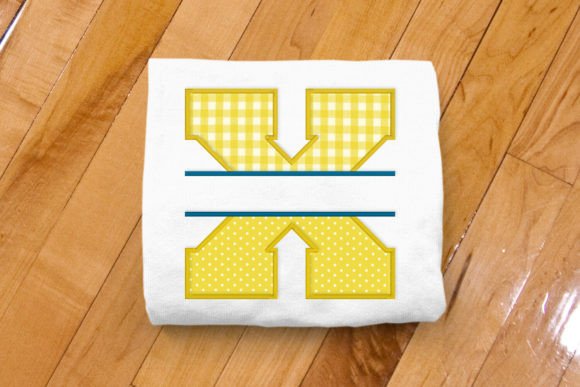
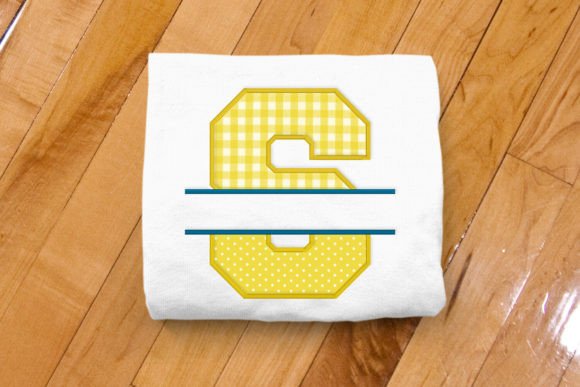
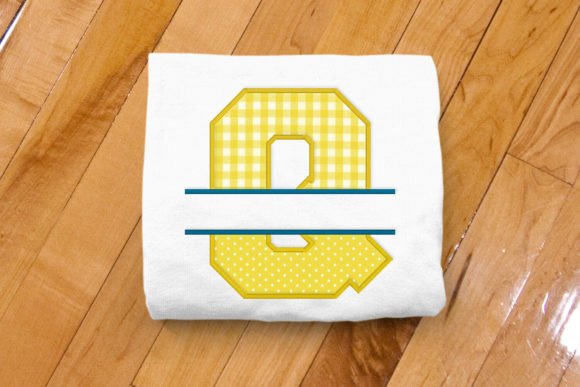
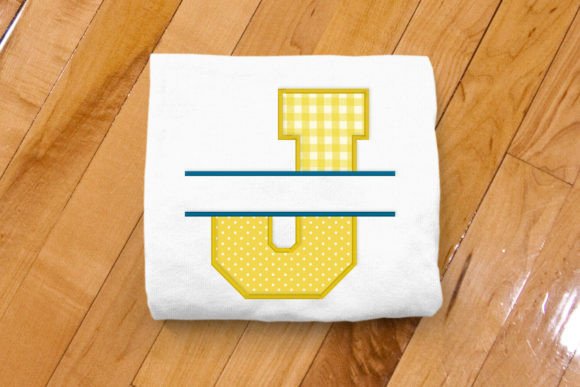
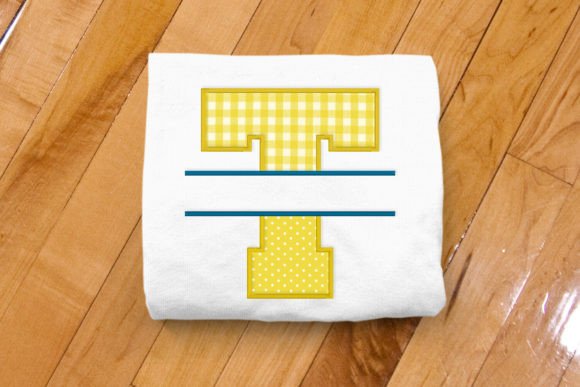
The Varsity Letter T Split Applique represents more than just a decorative element; it is a strategic asset for anyone managing textile customization projects. Whether you are running a small business producing team uniforms, a hobbyist creating personalized gifts, or an educator coordinating school spirit merchandise, this design offers a structured approach to adding collegiate-style branding to fabric. The core value of this applique lies in its modular construction. It features the letter "T" rendered in bold, athletic typography with a deliberate split in the center. This architectural gap is not merely aesthetic; it is a functional workspace designed to accommodate names, numbers, or specific text, allowing for immediate personalization without requiring complex digital manipulation.
Integrating the Varsity Letter T Split Applique into your production workflow requires understanding how it fits within the broader lifecycle of an embroidery project. From the initial planning phase to the final stitch-out, this design interacts with various tools, materials, and decision-making processes. Its versatility allows it to serve as a foundational component for custom apparel, enabling creators to maintain consistency across batches while still offering unique variations for individual clients. By leveraging the included file formats and size options, users can streamline their operations, ensuring that every piece meets professional standards of quality and durability.
Design Architecture and Functional Flexibility
At the heart of this project is the specific layout of the lettering. The top and bottom sections of the "T" are distinct applique areas. This separation provides significant creative freedom regarding color theory and material selection. In a professional setting, this feature allows for precise alignment with brand guidelines. For instance, if a sports team has primary and secondary colors, the top half of the letter can be executed in the primary hue while the bottom utilizes the secondary shade. Alternatively, using two different fabric textures—such as a smooth satin against a textured twill—can add depth and visual interest that single-color designs often lack.
The central split serves as the critical integration point for variable data. In a workflow where efficiency is paramount, having a pre-designed space for names eliminates the need to manually adjust kerning or spacing during the digitizing phase. When you download the zip file containing the Varsity Letter T Split Applique, you are acquiring a ready-to-use template. This reduces the time spent on pre-production adjustments, allowing you to focus on execution. The design accommodates standard collegiate fonts, ensuring that the aesthetic remains authentic to the athletic tradition while remaining legible at various scales.
Technical Compatibility and File Management
A robust embroidery workflow depends heavily on file compatibility. One of the most significant advantages of this specific design package is the inclusion of eight distinct machine embroidery formats: DST, EXP, HUS, JEF, PEC, PES, VP3, and XXX. This breadth of support ensures that the design can be deployed across a wide range of hardware ecosystems, from domestic machines used by hobbyists to industrial multi-head systems utilized by commercial shops.
Managing these files effectively is part of the implementation process. Upon downloading the zip archive, it is essential to organize the directory structure immediately. Create a dedicated folder for the project, perhaps named "Varsity_T_Split_Applique," and sub-folders for each format type if you operate multiple machine brands simultaneously. This organizational step prevents errors during the transfer phase. When transferring design files to your machine, whether via USB drive, direct cable connection, or network transfer, verifying the file integrity is a crucial quality control measure. Ensure that the correct format is selected for the specific machine model to avoid stitching errors or thread breaks caused by incompatible command sets.
Sizing Strategy and Scale Implementation
The design package includes five specific sizes: 95 mm, 120 mm, 145 mm, 170 mm, and 195 mm. Selecting the appropriate size is a strategic decision that impacts both the visual impact of the final product and the technical requirements of the stitching process. Smaller sizes, such as the 95 mm version, are ideal for accessories like hats, wristbands, or pocket accents on jackets. These applications require precision and often involve tighter stabilizer placement due to the curvature of the substrate.
Larger sizes, ranging from 145 mm to 195 mm, are better suited for the back of jerseys, sweatshirts, or large tote bags. When working with larger dimensions, the density of the stitches and the tension settings may need adjustment to prevent puckering, especially when dealing with the heavier fabrics typically used for applique work. Planning for scale involves anticipating the end use. If you are producing a batch of graduation caps, the 120 mm size might be the optimal choice to ensure visibility without overwhelming the surface area. Conversely, for a varsity jacket, the 195 mm option provides the commanding presence expected of collegiate wear.
Workflow Integration: Preparation and Execution
Successful implementation of the Varsity Letter T Split Applique begins well before the needle touches the fabric. The preparation phase involves selecting the right base fabric and stabilizer. Since applique relies on cutting away excess fabric around the design, the stability of the hooped area is non-negotiable. Use a cut-away stabilizer for stretchy knits commonly found in athletic wear to prevent distortion over time. For woven fabrics, a tear-away or no-show mesh stabilizer may suffice, depending on the weight of the material.
During the execution phase, the process follows a logical sequence inherent to applique designs. First, the tack-down stitches secure the applique fabric (the letter shapes) to the base garment. Next, the user must carefully trim the excess fabric around the edges, leaving a small margin to prevent fraying. Finally, the edge-stitching layer covers the raw edges, locking the applique in place. The split in the middle of the "T" simplifies this trimming process, as there are fewer continuous curves to navigate compared to solid block letters. However, precision is still required around the inner corners of the split to ensure the inserted name or text sits flush and centered.
After the design is stitched, the post-production phase involves quality control. Inspect the finished piece for loose threads, uneven trimming, or misalignment between the top and bottom halves of the letter. If the design was customized with a name in the split, verify that the font matches the style of the main lettering and that the spacing is consistent. This attention to detail ensures that the final product reflects professionalism, which is critical for maintaining client trust and brand reputation.
Strategic Applications for Business and Creatives
For entrepreneurs and small business owners, the Varsity Letter T Split Applique offers a scalable solution for inventory management. Instead of stocking hundreds of pre-embroidered items, you can keep a library of blank garments and apply this design on demand. This just-in-time production model reduces overhead costs and minimizes waste. The ability to swap colors easily means you can fulfill orders for different teams or schools using the same underlying design file, simply by changing the fabric rolls loaded onto the machine.
Educators and club organizers can also leverage this design for fundraising initiatives. The customizable nature of the split allows for student names or class years to be added, creating a sense of ownership and pride among participants. Furthermore, the availability of multiple sizes enables the creation of tiered merchandise packages. A basic t-shirt might feature the smaller 95 mm logo, while premium hoodies or jackets showcase the full 195 mm version, providing clear differentiation in product tiers.
In a creative context, freelancers and designers can use this asset to expand their portfolio capabilities. By mastering the application of this specific applique, you demonstrate proficiency in handling complex multi-layer designs. This skill set is highly marketable to clients seeking high-quality, durable embroidery solutions. The design's adaptability allows it to fit into various niches, from vintage-inspired streetwear to traditional academic regalia, making it a versatile tool in any creator's toolkit.
Long-Term Usability and Maintenance
Investing in a high-quality design file like the Varsity Letter T Split Applique yields long-term benefits. Unlike single-use patterns, this asset can be reused indefinitely across different seasons and projects. To maximize its longevity, maintain a backup of the original zip file in a cloud storage system. Regularly update your embroidery software to ensure continued compatibility with the file formats, particularly as manufacturers release firmware updates for their machines.
Consistency is key to long-term success. Once you have dialed in the perfect tension, speed, and stabilizer combination for a specific fabric and size, document these settings. Create a reference sheet that notes the successful parameters for the 95 mm through 195 mm versions. This documentation streamlines future projects, reducing setup time and minimizing the risk of trial-and-error mistakes. By treating the design as a core component of your operational infrastructure, you ensure that every output maintains the high standard of quality that defines professional embroidery work.
Ultimately, the Varsity Letter T Split Applique is a tool that bridges the gap between creative vision and practical execution. It empowers users to deliver personalized, high-quality products efficiently. Whether you are fulfilling a single custom order or managing a large-scale production run, understanding the nuances of its design, compatibility, and application will enhance your workflow and elevate the final result. By integrating this resource thoughtfully into your planning and production cycles, you position yourself to meet diverse client needs with confidence and precision.