Varsity Letter I Split Applique: A Practical Guide for Embroidery Workflows
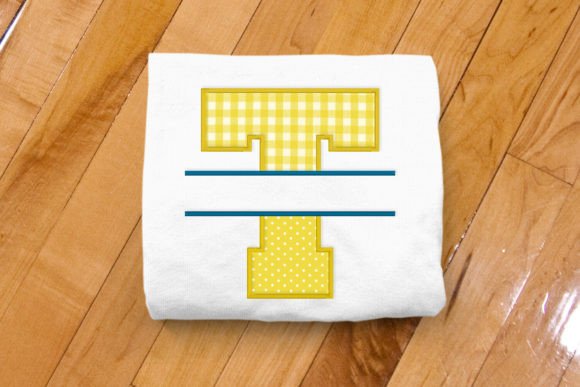
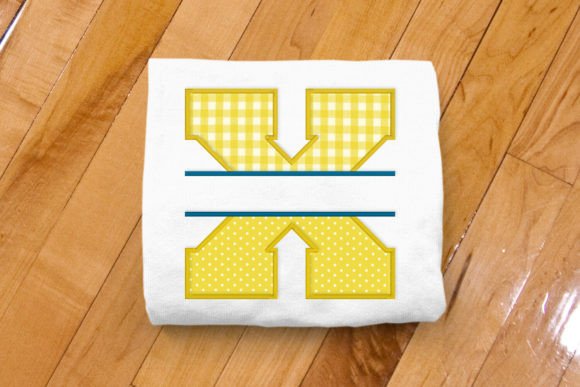
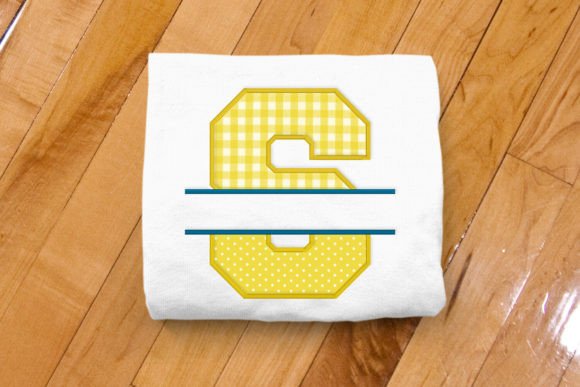
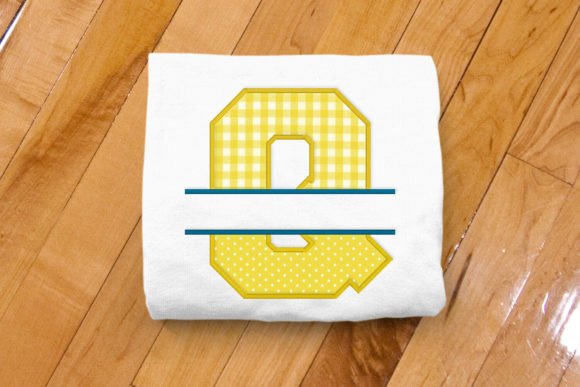
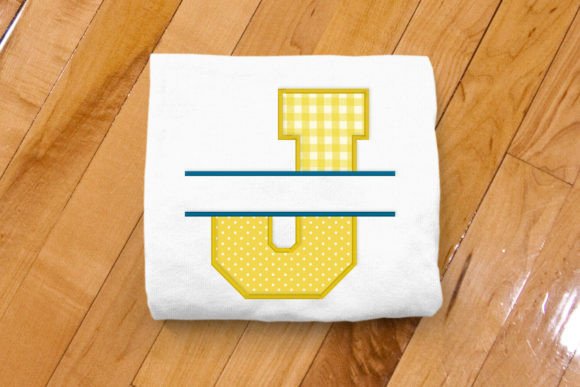
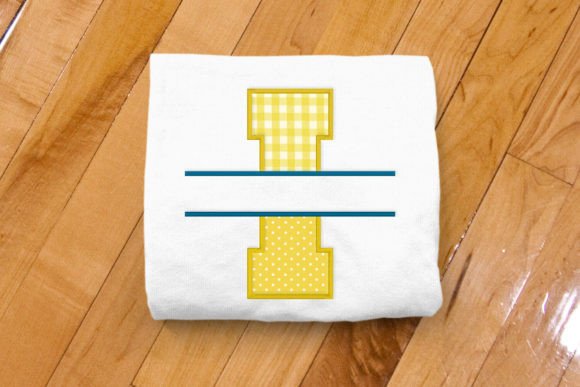
The Varsity Letter I Split Applique is more than just a decorative element; it is a functional asset within the broader ecosystem of textile customization. Designed with athletic or collegiate-style lettering, this specific applique features a distinct split in the middle, creating a dedicated space for personalization. This structural detail allows creators to insert names, graduation years, or team slogans directly into the design, transforming a standard monogram into a tailored statement piece. For professionals managing embroidery businesses, educators leading craft workshops, or hobbyists producing custom gear, understanding how to integrate this design into a production workflow is essential for maintaining efficiency and quality.
In the context of machine embroidery, the "split" concept serves a dual purpose. Visually, it breaks up the solid block of the letter, adding depth and a modern aesthetic that resonates with sports fans and students alike. Functionally, it dictates the stitching sequence and material requirements. Unlike a single-layer applique where one fabric sits atop another, the Varsity Letter I Split Applique requires precise planning regarding the top and bottom sections. These areas can be executed in a matching color scheme for a cohesive look or contrasted using two different fabrics to represent specific school or team colors. This flexibility makes the design a versatile tool in a creator's library, adaptable to various client requests without requiring new digitizing work.
Integrating the Design into Your Production Workflow
Before loading any file into an embroidery machine, the process begins with preparation and compatibility checks. The Varsity Letter I Split Applique comes packaged as a zip file containing eight distinct formats: DST, EXP, HUS, JEF, PEC, PES, VP3, and XXX. This variety is critical for business owners who may service clients with different machine brands, such as Brother, Janome, Husqvarna Viking, Bernina, or Pfaff. Having multiple formats ensures that the asset remains usable regardless of the hardware environment, reducing downtime caused by file conversion errors.
When integrating this design into a project, the first step involves selecting the appropriate size from the five available options: 95 mm, 120 mm, 145 mm, 170 mm, and 195 mm. The choice of size is not arbitrary; it depends on the substrate and the intended application. For instance, a 95 mm version might be ideal for a cap patch or a small pocket placement on a jersey, while the 195 mm option is better suited for the back of a varsity jacket or a large tote bag. Planning this decision early prevents issues with hoop stability or thread tension later in the process.
Once the size and format are selected, the workflow moves to material selection. Because the design features a split, the creator must prepare two separate pieces of fabric if a two-tone effect is desired. If the client requests the traditional single-color look, only one fabric type is needed, but the hooping technique remains similar. The "split" area acts as a negative space or a window, meaning the base fabric of the garment will show through unless a backing layer is added. This interaction between the applique layers and the garment base requires careful consideration during the cutting phase to ensure clean edges and proper alignment.
Technical Execution and Machine Settings
The technical execution of the Varsity Letter I Split Applique relies heavily on the precision of the digitized stitch paths. Since the design includes a gap in the center, the machine must navigate around this area without leaving loose threads or gaps in the tack-down stitches. Most modern machines handle this well, but the operator should verify the stabilizer choice. A cutaway stabilizer is often recommended for stretchy athletic fabrics like jerseys, while a tear-away or heat-and-peel stabilizer works better for woven cottons used in school uniforms.
During the stitching process, the workflow typically follows a specific sequence: outlining the shape, trimming the excess fabric, and then tacking down the edges. With the split design, the machine will stitch the top half of the "I," pause for trimming (if manual) or continue automatically (if automatic trimmers are present), and then stitch the bottom half. If adding text within the split, this usually occurs after the applique borders are secured but before the final satin stitching completes the outline. This sequencing ensures that the text lies flat against the background and does not get distorted by the tension of the applique border.
Compatibility with various embroidery software is another key factor. While the provided formats cover most major machines, some users may need to import these files into editing software to adjust the text within the split. It is crucial to maintain the aspect ratio when resizing the text to fit the gap. Overcrowding the split area can lead to registration issues, where the text overlaps the applique borders, ruining the professional finish. Testing the design on a scrap piece of the actual garment fabric is a non-negotiable step in the quality control process, especially when working with new color combinations or unfamiliar fabric weights.
Strategic Use Cases for Creators and Businesses
For entrepreneurs running small embroidery businesses, the Varsity Letter I Split Applique offers a scalable product line. It fits perfectly into seasonal workflows, particularly during back-to-school periods, graduation season, and sports championship weeks. By stocking this design in various sizes and pre-cutting common color combinations, businesses can streamline their production time. Instead of starting from scratch for every order, the owner can simply swap the fabric colors and input the client's name, significantly increasing throughput.
Educators and workshop leaders can also utilize this design to teach advanced techniques. The split feature provides an excellent opportunity to demonstrate how to manage multi-layer projects, how to align text with complex shapes, and how to choose contrasting fabrics effectively. In a learning activity, students can experiment with the five different sizes to understand how scale impacts the visual weight of a design. They can learn to calculate thread usage and estimate production times based on the stitch count differences between the 95 mm and 195 mm versions.
From a marketing perspective, offering a customizable split applique differentiates a brand from competitors who only offer static designs. It invites customer participation in the creative process. Clients can visualize their team colors or personal style immediately, which often leads to higher satisfaction and repeat business. The ability to mix and match fabrics—such as using a velvet top half and a wool bottom half for a classic varsity jacket look—adds a premium feel to the final product, justifying higher price points.
Optimizing for Long-Term Quality and Consistency
Sustaining quality over time requires strict adherence to organizational standards. When storing the digital files for the Varsity Letter I Split Applique, it is best practice to keep the original zip file intact and create backups. Organize the files by size and format in a logical directory structure to avoid confusion during rush orders. Labeling physical fabric scraps according to the color codes used in previous projects can also speed up future productions.
Consistency in the final output depends on regular machine maintenance and needle changes. The dense satin stitching often used in applique borders can dull needles quickly, leading to skipped stitches or fabric damage. Establishing a routine for changing needles based on stitch count rather than hours of operation ensures that every "I" looks sharp and professional. Additionally, monitoring thread tension is vital, especially when switching between the applique fabric and the base garment material. A slight variation in tension can cause the split area to pucker, detracting from the clean, collegiate aesthetic.
Ultimately, the value of the Varsity Letter I Split Applique lies in its adaptability and the structured approach required to execute it successfully. Whether you are a freelancer fulfilling a single custom order or a production manager overseeing a bulk run, understanding the interplay between file formats, size constraints, fabric choices, and machine settings is key. By treating this design as a component of a larger, well-planned workflow, creators can maximize efficiency, minimize waste, and deliver high-quality embroidered products that meet the diverse needs of athletes, students, and sports enthusiasts.