Wacky Sushi Font Embroidery Design: A Practical Guide for Creative Workflows
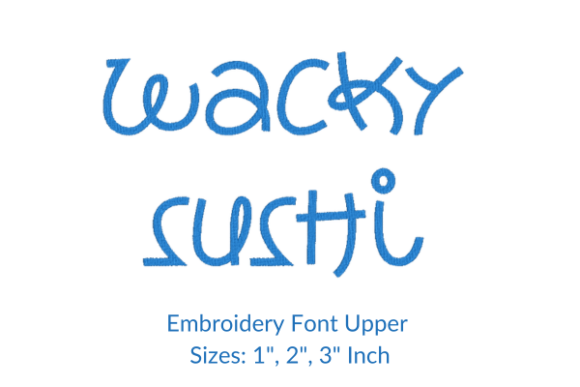
In the realm of machine embroidery, typography often serves as the bridge between a functional garment and a personalized statement. The Wacky Sushi Font Embroidery Design represents a specific category of digital assets designed to inject personality into textile projects. Unlike standard serif or sans-serif fonts that prioritize legibility above all else, this design leverages whimsical shapes and playful aesthetics to create visual interest. For professionals, hobbyists, and small business owners alike, integrating this font into a production workflow requires more than just downloading a file; it demands an understanding of how the design interacts with fabric, stabilizers, and machine settings to achieve a consistent, high-quality result.
This article explores the practical implementation of the Wacky Sushi Font Embroidery Design within various creative processes. We will examine how to plan projects around its unique characteristics, manage file compatibility across different machines, and maintain quality control during execution. Whether you are producing custom apparel for a boutique, creating educational materials, or fulfilling personal orders, understanding the mechanics of this font is essential for efficient production.
Understanding the Design Structure and Specifications
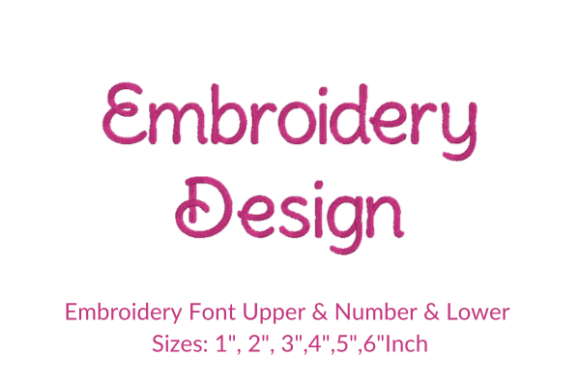
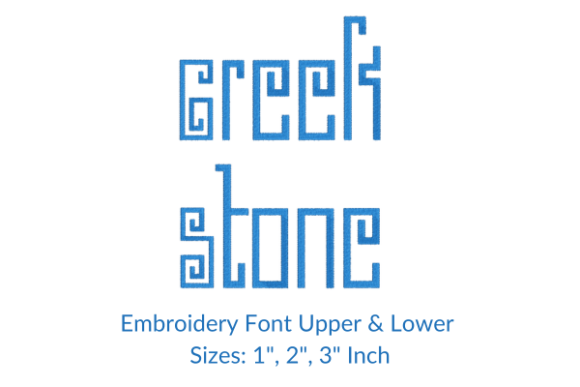
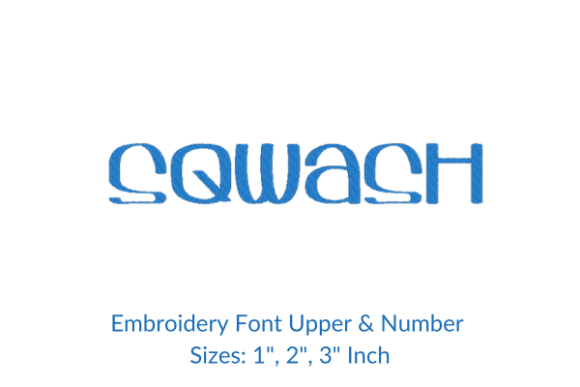
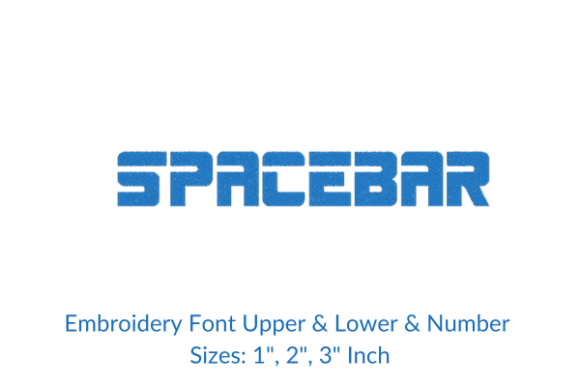
Before initiating any project, it is crucial to analyze the technical specifications of the asset. The Wacky Sushi Font Embroidery Design is not merely a collection of letters; it is a structured set of 84 characters, each engineered with specific stitch counts and dimensions. A key detail for planners and designers is that the size and stitch information typically provided in product summaries refers specifically to the uppercase "A" and lowercase "a" in each available size. This metric serves as a baseline for estimating thread usage, hooping time, and overall project duration.
For accurate planning, users must access the comprehensive dimension details found in the accompanying PDF documentation. This resource provides the full breakdown for all 84 letters in the set. Ignoring these specifics can lead to miscalculations in pricing, particularly for entrepreneurs charging by the hour or by stitch count. By reviewing the full data set before starting, you can determine exactly how much thread is required for a long quote versus a short name, ensuring your material inventory is sufficient and your cost estimates remain profitable.
Integrating the Font into Your Production Workflow
The versatility of the Wacky Sushi Font Embroidery Design allows it to fit seamlessly into various stages of a creative workflow. Its application depends largely on the nature of the project and the desired outcome. In a pre-production phase, the font serves as a conceptual tool. Designers can visualize how names, dates, or quotes will look on a specific item before committing to physical stitching. This stage involves selecting the appropriate size based on the available surface area of the fabric. Because the font features irregular shapes, spacing and alignment become critical considerations during the layout process.
During the execution phase, the font transforms from a digital concept into a tangible texture. The playful nature of the design makes it ideal for adding flair to items that require a touch of humor or lightheartedness. For instance, a corporate event planner might use this font for casual team-building t-shirts, while an educator could utilize it for classroom decorations or student awards. The ability to write names, dates, or quotes on any fabric means the font can adapt to diverse substrates, from heavy denim to delicate cotton blends. However, the interaction between the font's complex curves and the fabric type requires careful attention to stabilization techniques to prevent puckering or shifting.
Post-production, the finished embroidery acts as a branding element or a value-add feature. For small business owners, offering a unique font like Wacky Sushi can differentiate their products in a crowded market. It signals a commitment to creativity and customization, appealing to customers seeking one-of-a-kind items. Furthermore, the durability of the stitch work ensures that the design remains vibrant through multiple washes, maintaining the integrity of the brand or personal message over the long term.
File Compatibility and Machine Integration
A significant advantage of the Wacky Sushi Font Embroidery Design is its multi-format availability. Modern embroidery workflows often involve a mix of hardware, ranging from domestic home machines to industrial commercial units. To ensure smooth integration, this design comes with multiple embroidery file formats. This compatibility eliminates the need for costly conversion software or third-party services, streamlining the transition from computer screen to machine hoop.
When setting up your workspace, verify which file format your specific embroidery machine supports. Common formats include .PES, .DST, .JEF, and .EXP, among others. Having the correct file ready before you begin prevents workflow interruptions and reduces the risk of errors during the loading process. Once the file is loaded, the next step involves digitizing the placement. Most modern embroidery software allows you to resize, rotate, and mirror the text. With the Wacky Sushi Font, resizing should be done cautiously. While the font is scalable, extreme reductions can cause stitches to overlap, leading to thread breakage or a muddy appearance. Conversely, enlarging the font too much without adjusting density can leave gaps in the fill stitches.
Optimizing Stitch Density and Underlay
The unique shapes inherent in the Wacky Sushi Font require specific attention to underlay and top-stitch settings. Because the font is described as "wacky," it likely includes curved lines, varying widths, and potentially floating elements. These features demand a robust underlay pattern to secure the fabric and provide a stable base for the top stitches. Without adequate underlay, the tension of the upper thread can pull the fabric, distorting the playful shapes of the letters.
Practitioners should test the design on a scrap piece of the intended fabric before running the final job. This trial run allows you to observe how the thread lays down on the curves and whether the stitch density needs adjustment. If the design appears too dense, threads may bunch up, causing stiffness. If it is too sparse, the backing fabric might show through, diminishing the visual impact. Adjusting these settings in your machine's software ensures that the final output matches the high-quality standards expected by clients or personal satisfaction.
Strategic Applications for Business and Personal Projects
The utility of the Wacky Sushi Font Embroidery Design extends beyond simple decoration; it is a strategic asset for various professional and personal goals. For freelancers and publishers, using a distinctive font can enhance the perceived value of a portfolio or a line of merchandise. When marketing services, showcasing samples embroidered with this font demonstrates technical proficiency and creative range. It shows potential clients that you can handle complex designs and deliver unique results.
For educators and bloggers, the font offers a way to make content more engaging. Embroidered patches or tote bags featuring fun quotes can serve as effective swag for workshops, webinars, or community events. The tactile nature of embroidery creates a memorable connection that digital media alone cannot achieve. Additionally, the font's ability to render dates makes it perfect for commemorative items, such as anniversary gifts, graduation keepsakes, or milestone celebrations. By incorporating these elements into your offerings, you cater to the emotional and sentimental needs of your audience.
Efficiency is another key factor in adopting this design. Since the font is part of a complete set of 84 letters, you have the flexibility to compose almost any phrase without needing to purchase additional assets. This consolidation simplifies inventory management and reduces the administrative overhead associated with sourcing multiple fonts. You can maintain a library of proven designs that you know perform well on your specific equipment, allowing you to focus on scaling your operations rather than troubleshooting new files.
Quality Control and Long-Term Maintenance
Maintaining consistency is vital for anyone using the Wacky Sushi Font Embroidery Design regularly. Establish a checklist for every project that includes verifying the file format, checking the hoop size, confirming stabilizer choice, and performing a test run. Documenting these parameters for successful runs creates a reference guide for future projects, reducing setup time and minimizing errors. Over time, this systematic approach builds a reputation for reliability and precision.
Long-term use also involves monitoring the condition of your needles and thread. Complex fonts with tight turns and varied densities can wear down needles faster than straight-line text. Regularly changing needles and using high-quality thread compatible with your fabric ensures that the intricate details of the Wacky Sushi Font remain sharp and clear. Additionally, storing your digital files in an organized system, perhaps categorized by style or size, ensures quick retrieval when deadlines loom.
By treating the Wacky Sushi Font Embroidery Design as a core component of your production toolkit rather than a novelty, you unlock its full potential. It becomes a reliable method for delivering personalized, high-impact embroidery that stands out in both professional and personal contexts. Through careful planning, technical preparation, and consistent execution, this font can significantly elevate the quality and appeal of your textile creations.