Pencil: Elevating Visual Design
In the vast landscape of modern graphic design, few tools offer the versatility and tactile warmth of a well-crafted Pencil motif. Whether you are sketching out initial concepts for a brand identity or refining the typography for a high-end editorial layout, the pencil represents the genesis of creativity. It is more than just a stationery item; it is a powerful symbol of precision, craftsmanship, and the human touch in an increasingly digital world.
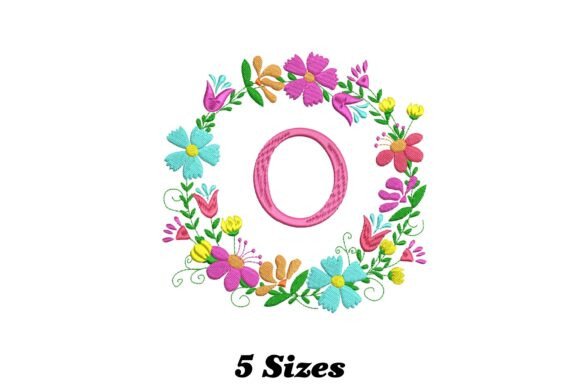
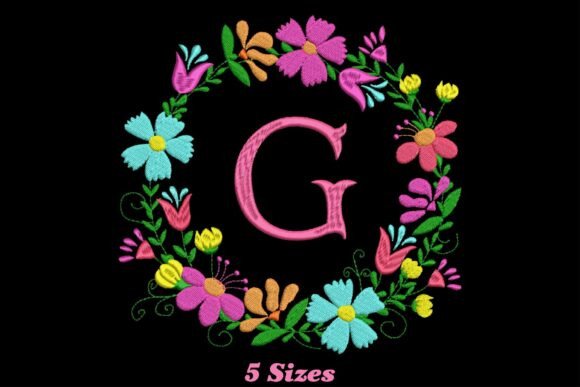
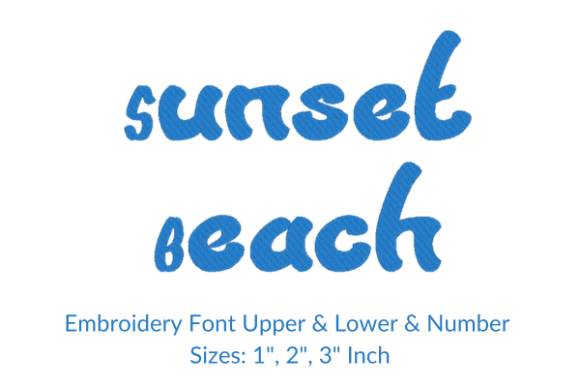
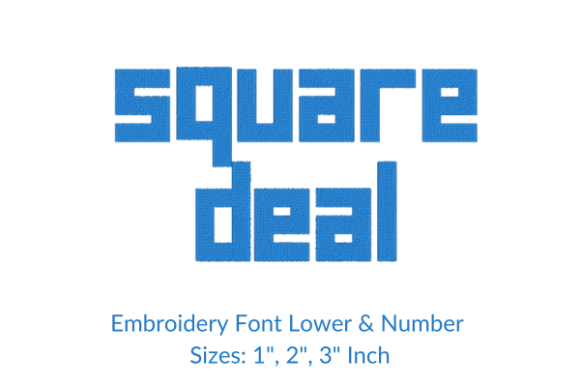
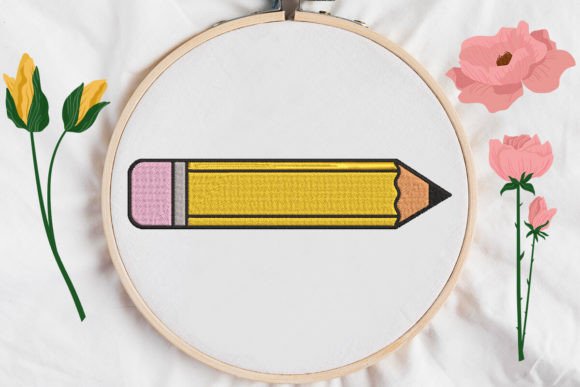
Add a touch of charm to your fabrics with this cool embroidery design. Stitch it on t-shirts, towels, home decor, or anything that needs a fun and whimsical accent. This machine embroidery design comes with multiple embroidery file formats and can be used with multiple embroidery machines. For designers, integrating such tangible, hand-drawn aesthetics into digital workflows can bridge the gap between virtual concepts and physical products, creating a cohesive brand experience that resonates on a deeper emotional level.
The Role of Hand-Drawn Elements in Brand Identity
When developing a strong brand identity, authenticity is key. Incorporating elements that mimic the organic lines of a Pencil sketch can soften corporate rigidity and make a brand feel more approachable. In logo design, for instance, a subtle pencil texture can suggest bespoke service and attention to detail. This approach works exceptionally well for creative agencies, artisanal shops, and educational platforms where trust and personal connection are paramount.
Visual hierarchy plays a crucial role here. By using pencil-style illustrations as secondary elements, you guide the viewer’s eye without overwhelming the primary message. This balance ensures that your visual design remains clean and professional while still offering unique character. The interplay between sharp vector lines and softer, sketched textures creates a dynamic contrast that captures attention in crowded digital spaces.
Practical Applications Across Media
The utility of pencil-inspired assets extends far beyond static logos. Here is how you can leverage this aesthetic across various design disciplines:
- Social Media Graphics: Use hand-drawn icons to break up text-heavy posts, increasing engagement and readability.
- Web and UI Design: Integrate sketch-like buttons or dividers to add a playful, user-friendly vibe to interfaces.
- Packaging Design: A pencil motif on eco-friendly packaging reinforces themes of sustainability and natural origins.
- Editorial Design: Enhance articles with marginalia or doodles that mimic notebook sketches, making long-form content more digestible.
For digital marketing campaigns, these elements can differentiate your content from the sea of polished, stock-photo-heavy ads. A well-placed pencil illustration can stop the scroll, inviting users to engage with your story rather than just your product.
Selecting the Right Creative Assets
Not all design resources are created equal. When choosing assets that feature pencil textures or sketches, consider scalability and consistency. Ensure that the resolution is high enough for both print and digital use. A pixelated sketch can undermine the professional presentation of your work, so always opt for vector-based files or high-resolution raster images when possible.
Color palette selection is also critical. While graphite gray is traditional, experimenting with muted pastels or bold accent colors can modernize the look. The goal is to maintain harmony with your existing brand system. If your brand relies on bold, modern aesthetics, a subtle pencil underline might be more effective than a full-blown sketch. Conversely, a vintage-inspired brand might benefit from rougher, more textured pencil strokes.
Enhancing User Experience Through Thoughtful Design
In UX design, clarity is king. Pencil-style annotations can serve as excellent instructional cues, guiding users through complex processes without feeling intrusive. Think of them as visual hints that feel helpful rather than commanding. This subtle guidance improves the overall user experience by reducing cognitive load and making navigation feel intuitive.
Furthermore, in presentation decks, using pencil diagrams can help explain complex data in a simplified, relatable manner. It suggests that the information is being broken down for the audience, fostering a sense of collaboration and understanding.
Ultimately, the power of the Pencil in graphic design lies in its ability to humanize technology. By blending traditional artistic sensibilities with modern design trends, creators can produce work that is not only visually striking but also emotionally resonant. Whether you are working on a new website, a packaging rollout, or a social media campaign, remember that the smallest details often make the biggest impact. Choose your creative assets wisely, ensuring they align with your strategic goals and enhance the narrative you wish to tell.