Flower Alphabet Letter H: Elevating Textile Projects with Whimsical Embroidery
In the expansive world of machine embroidery, monogramming remains a cornerstone technique for personalization. However, standard block letters or traditional serif fonts often lack the organic warmth that many crafters and designers seek for modern home decor and apparel. This is where the Flower Alphabet Letter H distinguishes itself. By integrating botanical elements directly into the structural form of the letter, this design approach transforms simple initials into standalone artistic statements. It is not merely about labeling an item; it is about embedding personality and aesthetic cohesion into the fabric itself.
For adults aged 20 to 50 who are curating their living spaces or updating their wardrobes, the appeal lies in the balance between professionalism and playfulness. Unlike rigid geometric fonts, the floral integration offers a softer visual impact. Whether applied to high-thread-count towels, casual cotton t-shirts, or structured linen napkins, this style bridges the gap between utilitarian function and decorative art. Understanding the nuances of this specific design style helps consumers make informed decisions about which embroidery resources best suit their creative goals.
Defining the Aesthetic: Structure Meets Nature
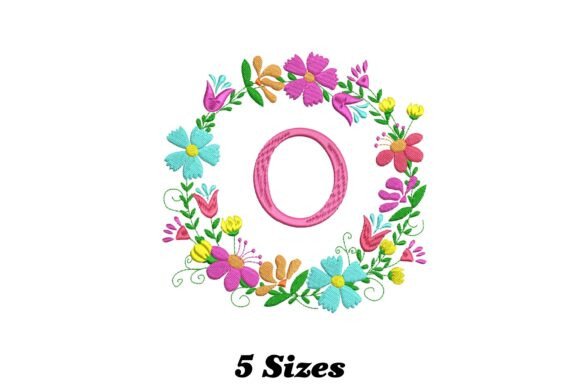
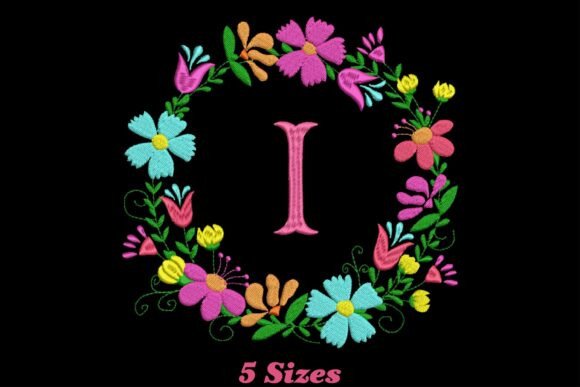
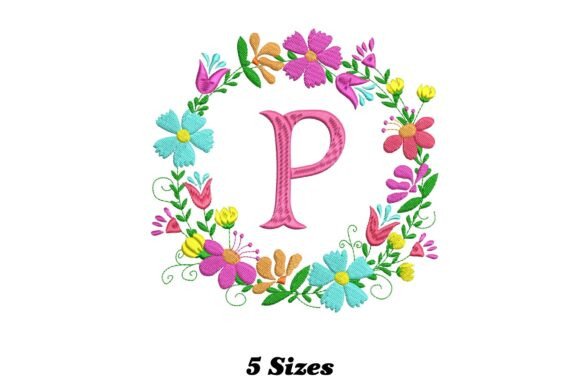
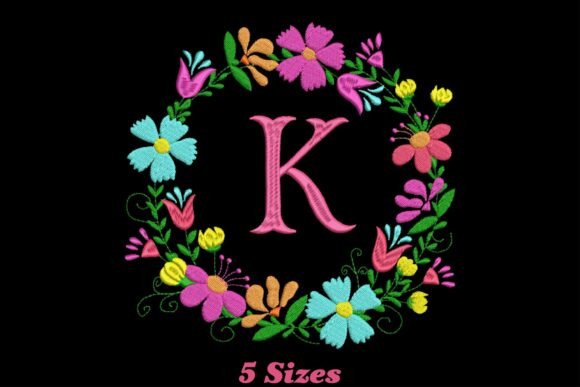
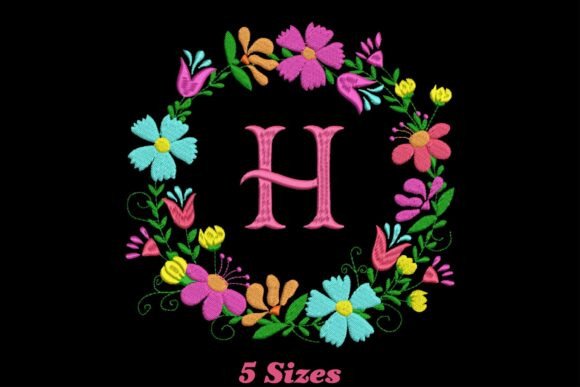
The Flower Alphabet Letter H is characterized by its unique composition. Rather than placing flowers adjacent to or behind the letter, the petals, leaves, and stems often constitute the vertical and horizontal bars of the "H" itself. This requires a sophisticated digitizing process where stitch density and direction are carefully manipulated to maintain legibility while showcasing intricate floral details. The result is a whimsical yet refined motif that feels intentional and high-end.
This distinctiveness sets it apart from standard appliqué or fill-stitch monograms. In traditional designs, the letter is the primary focus, with decoration serving as an afterthought. In contrast, the floral alphabet treats the letterform as a trellis or framework for nature. This approach resonates particularly well with current interior design trends that favor biophilic elements—designs that connect occupants with nature. For a crafter evaluating different embroidery files, recognizing this structural integration is key to predicting how the final product will look on various fabric types.
Comparing Styles: When to Choose Floral Over Traditional Fonts
When selecting an embroidery design, one must weigh the intended use against the visual weight of the font. Standard sans-serif or script fonts offer clarity and minimalism. They are ideal for corporate branding or items requiring strict legibility from a distance. However, they can appear sterile in domestic settings. The Flower Alphabet Letter H offers a compelling alternative for those prioritizing charm and warmth.
- Visual Interest: Floral letters provide immediate texture and color variation, reducing the need for additional embellishments.
- Emotional Tone: While block letters convey authority, floral variants evoke feelings of comfort, growth, and hospitality.
- Versatility in Decor: These designs blend seamlessly with both rustic farmhouse aesthetics and modern bohemian styles, whereas traditional fonts may clash with softer decor themes.
It is important to note that this style is not universally superior. For items like gym bags or technical gear, the delicate nature of floral stitching might not align with the rugged utility of the product. In such cases, a bold, simple font remains the more practical choice. The decision ultimately hinges on the narrative you wish the item to tell. If the goal is to create a welcoming, personalized touch for a guest room or a cherished gift, the floral approach often yields a more emotionally resonant result.
Evaluating Technical Compatibility and File Formats
One of the significant advantages of purchasing professional-grade embroidery designs like the Flower Alphabet Letter H is the availability of multiple file formats. Machine embroidery is not a one-size-fits-all technology; different brands utilize proprietary coding languages. Common formats include PES (Brother/Baby Lock), DST (Tajima/Industrial), JEF (Janome), EXP (Melco), and XXX (Singer). A high-quality resource will provide a comprehensive package ensuring compatibility with a wide range of machines.
Before downloading or purchasing, users should verify their machine’s specific requirements. While most modern home machines can read PES and JEF files, older models or specific industrial units may require DST or EXP. The flexibility of having multiple formats eliminates the need for third-party conversion software, which can sometimes distort stitch paths or alter sizing. This technical readiness is a crucial factor in the user experience, allowing crafters to focus on creativity rather than troubleshooting file errors.
Furthermore, consider the size scalability. Floral designs often rely on fine details. If a design is scaled down too significantly, the intricate petals may merge, resulting in a muddy appearance. Conversely, scaling up too much without adjusting stitch density can lead to fabric puckering. Professional designs usually come in preset sizes optimized for clarity. Users should check the included size variations to ensure they fit their intended project dimensions, whether it is a small pocket emblem or a large back-panel statement piece.
Practical Applications: From Apparel to Home Accents
The versatility of the Flower Alphabet Letter H allows it to shine across diverse textile applications. Understanding where this design performs best helps maximize its value.
Apparel and Accessories
On t-shirts and tote bags, this design adds a boutique feel. When embroidering on knit fabrics like cotton jersey, using a stabilizer is essential to prevent stretching during the stitching process. The whimsical nature of the floral letter pairs well with casual wear, making it a popular choice for personalized gifts or small-batch clothing lines. For denim jackets, the contrast between the rugged fabric and the delicate floral stitches creates a striking visual juxtaposition.
Home Decor and Linens
Towels, napkins, and pillowcases benefit immensely from this style. In bathrooms and kitchens, monogrammed linens elevate the perceived value of the space. The "H" can represent a family surname or a first name, adding a layer of custom luxury. Because these items undergo frequent washing, choosing a design with secure satin stitches and appropriate thread types (such as polyester for durability) is vital. The floral elements should be dense enough to withstand laundering without unraveling.
Gift Giving
Personalized items carry emotional weight. A baby blanket featuring a floral initial suggests tenderness and care. For weddings or housewarmings, embroidered throw pillows with the couple’s or host’s initial serve as lasting mementos. The Flower Alphabet Letter H is particularly effective here because it feels bespoke and thoughtful, moving beyond generic store-bought decor.
Decision Factors: Is This Design Right for You?
Choosing the right embroidery resource involves assessing your skill level, machine capabilities, and project goals. The Flower Alphabet Letter H is an excellent choice if you value aesthetic uniqueness and have a machine capable of handling moderate stitch counts. It is less suitable if you require rapid production times, as floral designs often involve more color changes and trim jumps than simple block letters.
Consider the following tradeoffs:
- Time vs. Impact: Floral designs take longer to stitch due to complexity. However, the visual impact is significantly higher, justifying the time investment for special projects.
- Thread Usage: Multi-colored floral elements consume more thread than single-color fonts. Budget accordingly for materials.
- Fabric Suitability: Delicate florals look best on smooth, stable fabrics. Rough or highly textured materials may obscure the fine details of the petals and leaves.
Ultimately, the Flower Alphabet Letter H represents a fusion of nature and typography that appeals to those seeking to infuse their creations with character. By understanding its distinct features, technical requirements, and ideal applications, crafters can confidently integrate this charming design into their repertoire. It is not just about adding a letter; it is about crafting a narrative through stitch and thread, turning ordinary fabrics into cherished keepsakes. Whether you are a hobbyist looking to spruce up your home or a small business owner aiming to differentiate your products, this whimsical embroidery option offers a balanced blend of beauty and functionality.