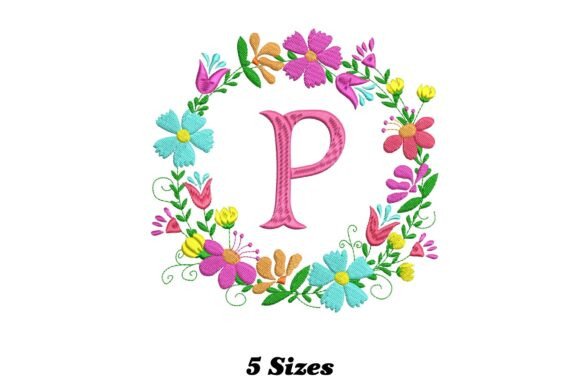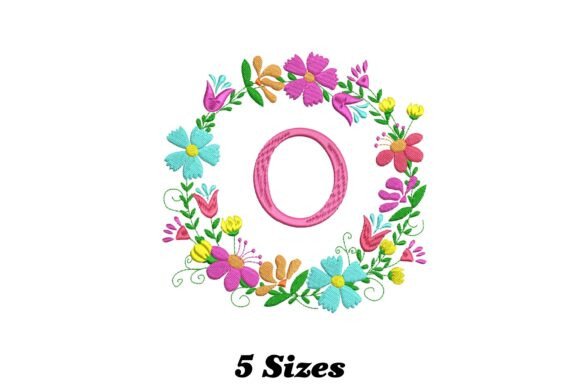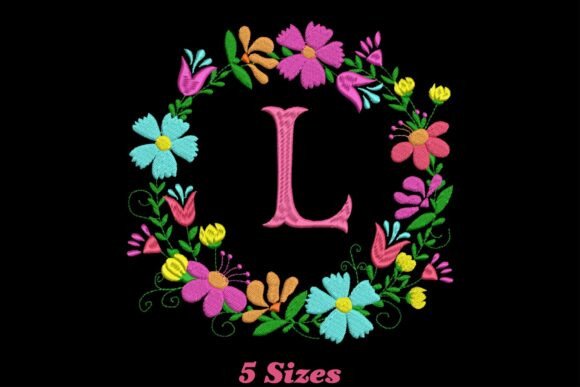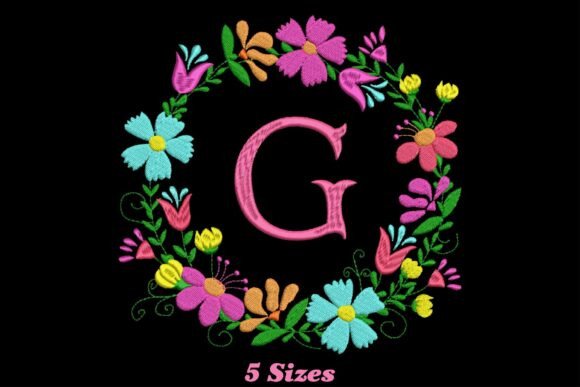
Flower Alphabet Letter C: Embroidery Design
There is a distinct satisfaction in transforming plain fabric into something that feels personal and curated. Whether you are refreshing an old denim jacket, creating a unique gift for a friend, or adding a touch of warmth to your home textiles, the details matter. This is where the Flower Alphabet Letter C becomes more than just a decorative element; it serves as a versatile design anchor that bridges the gap between traditional craftsmanship and modern aesthetic sensibilities. By integrating botanical motifs with typographic structure, this embroidery pattern offers a whimsical yet sophisticated way to customize your projects.
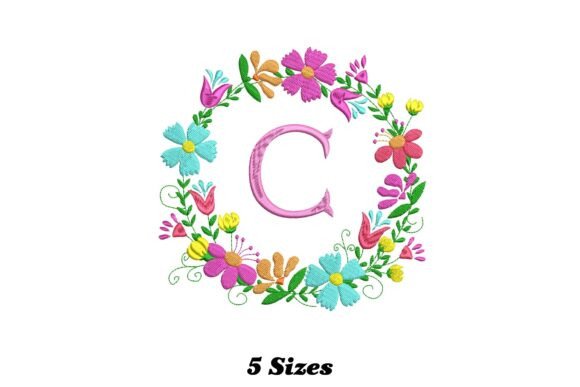
The appeal of floral monograms lies in their ability to soften the rigidity of standard fonts while maintaining legibility. The letter C, with its open curve, provides a natural canvas for vines, petals, and leaves to wrap around, creating a sense of movement and organic growth. For creators, designers, and hobbyists alike, understanding how to effectively utilize this specific design can elevate simple sewing tasks into standout creative statements.
Why Floral Typography Resonates
In an era dominated by digital minimalism, there is a growing appreciation for tactile, handcrafted elements. Machine embroidery allows us to replicate the intricate look of hand-stitching with precision and speed. The Flower Alphabet Letter C taps into the biophilic design trend, which suggests that humans have an innate tendency to seek connections with nature. Incorporating floral elements into everyday items like towels, pillowcases, or tote bags brings a slice of the outdoors inside, fostering a calming and inviting atmosphere.
From a marketing perspective, personalized items hold higher perceived value. Small business owners who offer custom embroidery services can leverage this design to create premium products. A simple cotton towel becomes a luxury spa item when adorned with a delicate floral initial. Similarly, educators can use these designs to help students connect with letter recognition through art, making learning tangible and visually engaging.
Versatile Applications for Every Creator
One of the greatest strengths of this machine embroidery design is its adaptability. It is not limited to a single type of fabric or project scope. Here is how different users can integrate this motif into their work:
- Apparel Customization: Place the design on the chest pocket of a button-down shirt for a subtle professional touch, or go bold with a large-scale version on the back of a denim jacket. It works equally well on children’s clothing, adding a playful element to school uniforms or playwear.
- Home Decor Accents: Use the design to personalize throw pillows, table runners, or curtain hems. The organic shapes of the flowers complement both rustic farmhouse styles and modern bohemian interiors.
- Gift Giving: Monogrammed items are timeless gifts. A bathrobe or set of hand towels featuring the recipient’s initial shows thoughtfulness and effort. The floral aspect adds a layer of elegance suitable for weddings, baby showers, or housewarmings.
- Branding for Entrepreneurs: Freelancers and small business owners can use this design on branded merchandise such as canvas tote bags or aprons. It creates a cohesive visual identity that feels approachable and artisanal.
Technical Considerations for Best Results
To ensure your final product looks professional, attention to technical detail is crucial. Since this design comes in multiple embroidery file formats, it is compatible with a wide range of machines. However, the outcome depends heavily on how you prepare your workspace and materials.
Fabric Selection: Stable fabrics like cotton, linen, and denim yield the crispest results. Avoid highly stretchy materials unless you use appropriate stabilizers. For delicate fabrics like silk or chiffon, consider using a water-soluble stabilizer to prevent puckering and ensure the fine details of the flower petals remain sharp.
Thread Choice: The color palette you choose can dramatically alter the mood of the design. For a vintage feel, opt for muted pastels or earth tones. For a modern pop, use high-contrast colors against the background fabric. Rayon threads offer a beautiful sheen that highlights the texture of the petals, while polyester threads provide durability for items that will be washed frequently, such as towels and children’s clothes.
Hoop Size and Placement: Always center your design carefully within the hoop. For the Flower Alphabet Letter C, ensure there is enough margin around the edges so that the outermost leaves or petals are not cut off during stitching. Test the design on a scrap piece of the same fabric first to check tension and alignment.
Creative Variations and Styling Ideas
While the base design is charming on its own, creativity thrives in variation. Consider how you can tweak the presentation to suit different audiences or seasons.
- Seasonal Themes: Adapt the thread colors to match the season. Use soft pinks and greens for spring, vibrant yellows and oranges for summer, warm burgundies and golds for autumn, and cool blues and whites for winter. This allows you to keep your product offerings fresh and relevant year-round.
- Mixed Media: Combine embroidery with other techniques. After stitching the letter, add hand-beading to the center of the flowers for added dimension. Alternatively, pair the embroidered initial with fabric paint or appliqué for a mixed-texture effect.
- Scale Play: Do not feel confined to standard sizes. A tiny, delicate version on a cufflink or collar tip exudes understated elegance. Conversely, an oversized version covering an entire tote bag makes a bold fashion statement. Experimenting with scale can help you discover new applications for the same digital file.
Building a Cohesive Creative Practice
For those looking to build a portfolio or a small business around embroidery, consistency is key. Using a signature style, such as the Flower Alphabet Letter C, can help establish brand recognition. When customers see that specific blend of typography and botany, they should immediately associate it with your quality and aesthetic.
Keep your workflow organized by maintaining a library of tested color combinations and fabric pairings. Document what works and what does not. This practical approach saves time and reduces waste, allowing you to focus on the creative aspects of your craft. Share your process on social media or your blog to engage with your audience. Showing the behind-the-scenes steps—from digitizing to the final stitch—builds trust and demonstrates expertise.
Ultimately, the goal is to create items that bring joy and utility. Whether you are a seasoned designer or a weekend hobbyist, this embroidery design offers a reliable foundation for exploration. It invites you to play with color, texture, and placement, turning ordinary objects into cherished keepsakes. By mastering the technical nuances and embracing creative flexibility, you can unlock the full potential of this charming motif.
Remember, the best designs are those that reflect the personality of the creator and the recipient. Let the curves of the letter C guide your needle, and allow the floral elements to bloom in ways that feel authentic to your vision. With the right tools and a bit of inspiration, your next project could be the one that defines your creative signature.