Cross and Angel Wings, Hand Drawn: A Design Evaluation
The intersection of religious symbolism and artistic expression often yields designs that resonate deeply with creators. The Cross and Angel Wings, Hand Drawn embroidery design represents a specific aesthetic within the realm of machine embroidery. It combines traditional iconography with a sketch-like, organic style that mimics the texture of pencil or ink on paper. For individuals researching digital patterns for their sewing projects, understanding the nuances of this specific design is essential for determining its suitability for various applications.
Understanding the Design Aesthetic
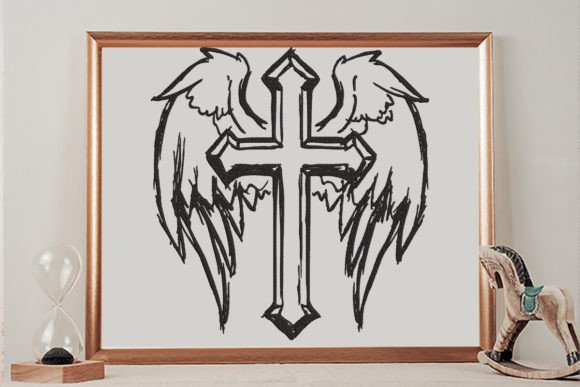
At its core, the Cross and Angel Wings, Hand Drawn pattern distinguishes itself through its stylistic approach. Unlike vector-based designs that rely on sharp lines and solid fills, this pattern utilizes stitching techniques to replicate the appearance of a hand-drawn illustration. The visual effect is achieved through varied stitch densities, directional changes, and the use of running stitches to create shading and texture.
This "sketch" style softens the rigid geometry often associated with religious symbols. The cross is not merely a geometric shape but an element that appears sketched with intent, while the angel wings flow with a sense of movement and imperfection that feels human-made. This aesthetic choice makes the design particularly versatile, allowing it to blend into rustic, vintage, or modern farmhouse decor without appearing overly formal or institutional.
Reasons for Interest in Hand-Drawn Embroidery
Several factors drive interest in the Cross and Angel Wings, Hand Drawn motif among hobbyists and professional embroiderers alike. First, there is a growing demand for personalized home decor that reflects spiritual values without adhering to traditional, heavy-handed religious imagery. The hand-drawn style offers a contemporary twist that appeals to those seeking a softer, more approachable look.
Secondly, the versatility of the design format plays a significant role. As a digital file, it eliminates the need for manual tracing or free-motion quilting skills. Creators can achieve a complex, artistic result using standard machine embroidery functions. This accessibility allows users to focus on fabric selection and placement rather than the technical execution of the drawing itself.
Furthermore, the combination of the cross and wings carries universal recognition. Whether used as a subtle nod to faith or purely as a decorative element, the imagery holds emotional weight. For those creating gifts, memorial items, or personal sanctuaries, this design provides a meaningful focal point that transcends simple decoration.
Benefits and Practical Considerations
Evaluating the Cross and Angel Wings, Hand Drawn design requires weighing its advantages against potential limitations. One primary benefit is the variety of file formats typically included with such digital downloads. Most reputable sources provide multiple industry-standard formats, ensuring compatibility with a wide range of embroidery machines from different manufacturers. This flexibility reduces the barrier to entry for users who may own older equipment or are upgrading their technology.
Another advantage is the adaptability of the design across different substrates. Because the hand-drawn style relies on texture rather than perfect symmetry, it tends to forgive minor fabric inconsistencies. It performs well on towels, where the looped pile adds depth to the sketch lines, and on pillows, where the raised stitching creates a tactile experience. It is also suitable for clothing, tote bags, and wall hangings.
However, there are tradeoffs to consider. The sketch style often requires specific thread colors to maintain its integrity. Using high-sheen metallic threads might detract from the matte, pencil-like finish intended by the design. Additionally, because the design mimics loose strokes, it may require careful hooping and stabilizer selection to prevent puckering, especially on stretchy or delicate fabrics. Users must ensure their machine tension is calibrated correctly to avoid gaps in the running stitches that define the "drawing."
Situations Where the Design Excels
The Cross and Angel Wings, Hand Drawn pattern is a strong fit for specific project types. It is particularly effective for home textiles that aim for a cozy, lived-in atmosphere. Embroidering this design on linen napkins, cotton throw pillows, or bath towels adds a layer of character that mass-produced prints cannot replicate. The organic nature of the stitches complements natural fibers beautifully.
It is also an excellent choice for commemorative projects. When creating items for baptisms, confirmations, or memorials, the hand-drawn aesthetic feels intimate and personal. It suggests care and effort, making the finished product feel like a handmade heirloom rather than a factory item. In these contexts, the design serves as a gentle reminder of faith and protection.
For crafters looking to expand their portfolio, this design offers a way to test the capabilities of their machine regarding detailed line work. Successfully executing a hand-drawn style demonstrates proficiency in managing stitch density and color blending, which are valuable skills for more complex future projects.
When to Consider Alternatives
Despite its merits, the Cross and Angel Wings, Hand Drawn design may not be the optimal choice for every situation. If a project requires bold, graphic impact from a distance, a solid-fill or satin-stitch design might be more appropriate. The delicate nature of the sketch style can get lost on large banners or items viewed from afar, where clarity and contrast are paramount.
Additionally, users working with very fine, sheer fabrics should exercise caution. The multiple layers of running stitches required to build up the "drawn" look can add bulk that distorts lightweight materials. In such cases, a simpler outline design or an appliqué technique might yield better results without compromising the fabric's drape.
Finally, if the goal is a strictly traditional or liturgical appearance, this design might feel too casual. Some settings require the formality of precise, symmetrical crosses and stylized wings that adhere to classical art forms. In those instances, a more structured, vector-based pattern would align better with the desired tone.
Decision-Making Insights
Determining whether the Cross and Angel Wings, Hand Drawn design aligns with your goals involves assessing both your technical setup and your creative vision. Before purchasing or downloading, review the design specifications carefully. Check the stitch count to ensure it fits within your hoop size and matches the time you wish to invest in the project. Higher stitch counts generally mean longer run times and more thread consumption.
Consider the fabric and thread combination you intend to use. Test the design on a scrap piece of the same material to evaluate how the "hand-drawn" effect translates to your specific machine. Pay attention to how the stabilizer interacts with the fabric; a cut-away stabilizer often provides the necessary support for intricate line work on stable fabrics, while a tear-away might suffice for thicker items like towels.
Ultimately, the value of this embroidery design lies in its ability to bridge the gap between digital precision and artistic imperfection. By offering a versatile, meaningful motif that works across various mediums, it empowers creators to infuse their projects with personal significance. Whether for home decor, gifts, or personal expression, the Cross and Angel Wings, Hand Drawn pattern offers a practical solution for those seeking a unique, spiritually resonant aesthetic.