Book and Flower: A Versatile Embroidery Design for Modern Creators
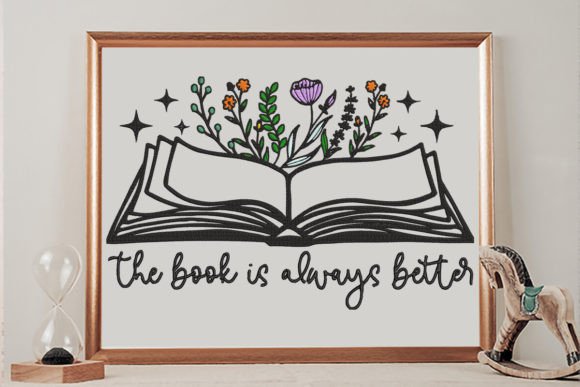
The intersection of literature and nature has long been a source of inspiration for artists, writers, and designers. In the realm of machine embroidery, this theme crystallizes into the Book and Flower design. This motif is not merely a decorative element; it represents a specific aesthetic that resonates deeply with professionals, hobbyists, and small business owners alike. Whether you are producing custom gifts, branding merchandise for a bookstore, or creating personal home decor, understanding how to integrate this design into your workflow can significantly enhance the quality and marketability of your finished products.
The versatility of the Book and Flower embroidery design allows you to embroider it onto various items, such as pillows, tote bags, jackets, or even framed artwork. This adaptability makes it a strategic asset in a creator's toolkit. Unlike rigid designs that demand specific fabric types or stabilizers, this pattern is engineered to work across a spectrum of materials, provided the user follows proper preparation protocols. For entrepreneurs looking to expand their product lines without investing in entirely new machinery or complex software setups, this design offers a high return on investment through its broad application potential.
Integrating the Design into Your Production Workflow
Successful embroidery projects rely less on the machine itself and more on the planning that occurs before the needle touches the fabric. The Book and Flower design fits seamlessly into a broader creative process, serving as a focal point around which other decisions are made. When planning a new collection, consider where this motif will appear first. Will it be the centerpiece of a promotional campaign for a literary event? Or perhaps a subtle accent on the cuff of a jacket for a boutique clothing line?
Before initiating the stitching process, it is essential to evaluate the substrate. The interaction between the design and the material dictates the choice of stabilizer, thread tension, and hoop size. For instance, applying the Book and Flower design to a heavy canvas tote bag requires different settings than placing it on a delicate silk pillowcase. During the planning phase, map out these variables. Create a checklist that includes fabric type, color palette, and intended use case. This structured approach ensures consistency across multiple units, which is critical for small business owners aiming to build a reputable brand.
Furthermore, the design interacts closely with other digital assets in your workflow. Since this machine embroidery design comes with multiple embroidery file formats, it is compatible with a wide range of embroidery machines. This compatibility reduces friction during the execution phase. You do not need to spend hours converting files or troubleshooting format errors. Instead, you can focus on refining the placement and alignment. If you are working with a team, having standardized file formats ensures that every operator can execute the design with identical results, maintaining quality control across the production line.
Strategic Applications for Different Projects
The true value of the Book and Flower motif lies in its ability to transition smoothly between different project types. Here are practical ways to implement this design based on specific goals:
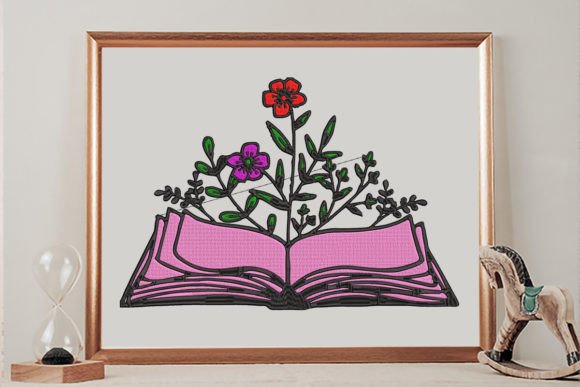
- Home Decor and Interior Styling: For interior designers or DIY enthusiasts, this design works exceptionally well on throw pillows and wall hangings. The organic shape of the flower softens the geometric lines of the book, creating a balanced visual appeal. When framing the artwork, ensure the hoop marks are minimal by using water-soluble stabilizers, which dissolve after washing, leaving a pristine finish suitable for gallery-style display.
- Apparel Branding: Fashion creators can utilize this design on denim jackets, hoodies, or hats. The durability of the stitch count holds up well against wear and tear. Place the design strategically—perhaps on the back of a jacket for a statement piece or on the chest pocket of a shirt for a subtler look. Consider the thread colors used; metallic threads can elevate the design for evening wear, while cotton threads offer a rustic, cozy feel for casual attire.
- Corporate and Educational Gifts: Marketers and educators often seek unique swag items. Embroidering the Book and Flower design onto tote bags or laptop sleeves creates a memorable gift for book clubs, libraries, or university alumni associations. The symbolism of knowledge (the book) and growth (the flower) aligns perfectly with educational missions, adding a layer of meaning to the physical object.
Optimizing Efficiency and Quality Control
Efficiency in embroidery is about minimizing waste and maximizing output without sacrificing detail. The Book and Flower design is optimized for speed, but only if the user understands the nuances of their specific machine. Before running a full batch, always perform a test run on a scrap piece of the same fabric. This step is non-negotiable for maintaining professional standards. Check for issues such as puckering, thread breaks, or misalignment. Adjusting tension or changing the needle size during this trial phase prevents costly mistakes later.
Organization plays a pivotal role in managing multiple file formats. Since the design package includes various formats, organize your digital library systematically. Label files clearly with the machine model they are intended for, such as "BookFlower_JANUARY.far" or "BookFlower_PANTERA.dst". This simple organizational habit saves time when switching between machines or collaborating with other stitchers. It also aids in version control, ensuring that everyone is working from the most updated and tested file.
Quality control extends beyond the stitching itself. Consider the longevity of the design. How will the embroidery hold up after repeated washes? Using high-quality polyester or rayon thread can enhance durability and color vibrancy. Additionally, the choice of backing material affects the final drape and feel of the item. For items like jackets, a cut-away stabilizer provides the necessary support to prevent the stitches from sinking into the fabric over time. For softer items like pillows, a tear-away stabilizer might be preferable to maintain a plush texture.
Long-Term Value and Creative Evolution
Investing in versatile designs like Book and Flower offers long-term benefits. As trends shift, the ability to adapt a single design to new contexts keeps your inventory fresh without requiring constant reinvention. You can experiment with different color combinations to match seasonal palettes. For example, using autumnal hues for fall collections or pastel shades for spring events allows the same underlying design to serve multiple marketing cycles.
Moreover, this design encourages creativity in layout. While the core motif remains consistent, you can scale it down for small accessories or enlarge it for banners and tapestries. The scalability of the digitized pattern ensures that details remain crisp regardless of size. This flexibility empowers creators to take risks and explore new avenues without the fear of wasting resources on incompatible assets.
In conclusion, the Book and Flower embroidery design is more than just a pattern; it is a functional tool that integrates seamlessly into diverse workflows. By approaching its implementation with careful planning, attention to technical details, and a focus on quality, you can produce professional-grade items that resonate with your audience. Whether you are a freelancer crafting one-of-a-kind pieces or a business owner scaling production, mastering the use of this versatile design will streamline your process and elevate the perceived value of your work. Embrace the blend of artistry and utility that this motif offers, and let it become a signature element in your creative portfolio.